Furniture measurements and doorway fit for a Tasmania move
Describe the whole furniture route, from the room it leaves to the place it will stand at the destination.
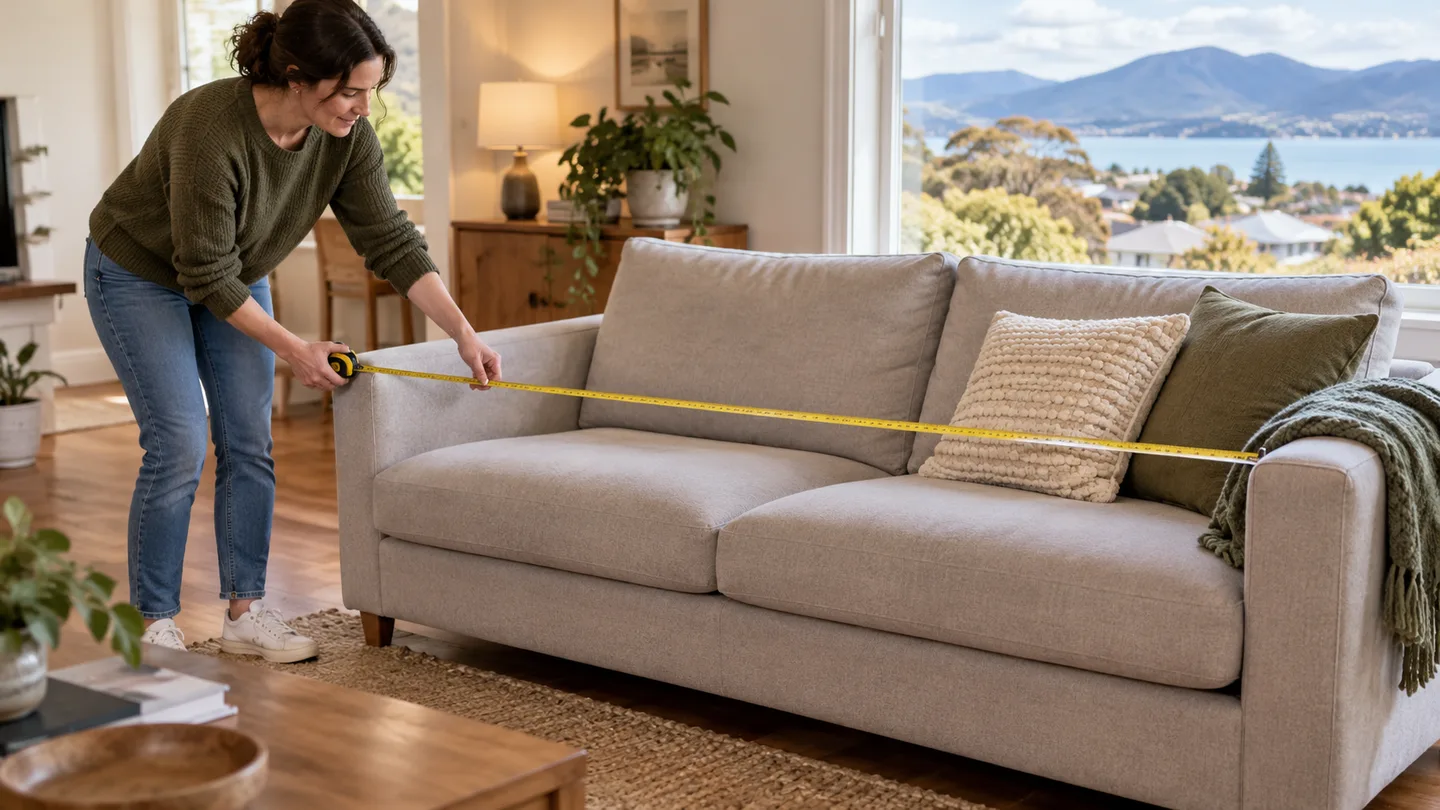
Measure the whole route, not just one doorway
Furniture measurements for moving are most useful when they describe the item and the route together. A piece can fit through one opening and still be difficult to turn in the corridor beyond it.
Tas Removals & Storage uses the details you provide to assess furniture removal enquiries. This guide helps organise furniture access measurements, photographs and component information before you request that assessment. It does not calculate a guaranteed fit or replace a physical handling decision.
For furniture dimensions Tasmania enquiries, note where the item starts, how it leaves the property and how it reaches the final room. Include every narrow section, stair, gate and lift. Furniture volume versus shape is a useful distinction: a volume estimate describes space, while shape and the route affect handling.
Use the furniture volume guide for the load estimate and this guide for access. A complete furniture quote measurements brief gives the team more to work with than one number or a photograph taken from across the room.
Record the largest dimensions and fixed components
When measuring a sofa, record width, depth and height at the largest points. Include arms, back, feet and any projecting structure. Sofa doorway measurements should use the actual piece rather than a generic size for its seating capacity.
When measuring a cabinet, include the cornice, handles, feet and fixed trim. Record glass doors, removable shelves and loose contents separately. Bed frame measurements need the assembled size and the dimensions of any large sections that remain intact.
Identify fixed furniture components and removable furniture legs without assuming either can be altered safely. Use manufacturer furniture instructions to check what is designed to detach. If the instructions are missing, provide the product name and clear photographs and discuss the uncertainty before preparing it.
Protected furniture size can differ from its bare dimensions. Ask how wrapping allowance affects a tight route; do not invent a standard extra centimetre figure for every piece. If already dismantled, record dismantled furniture dimensions and all component shapes. The packing and furniture preparation service guide explains the separate preparation and reassembly questions.
Record clear openings, corridors and turns
For doorway fit for furniture, measure the clear door opening with the door in its normal fully open position. Record the usable width and height at the narrowest point. Door handles, frames, closers and other fittings can reduce usable space.
Corridor width for furniture needs more than the long straight section. Note the entry turn, corners and the space opposite each doorway. Turning space for furniture can matter even when an opening appears wider than the item. Avoid relying on a diagonal calculation alone: it does not show every position the piece must pass through.
List doorway obstacles such as steps, tight porches, built-in shelving and low lighting. For gates and furniture access, include the approach, clear opening, surface and any change in level. Photograph the view in both directions so the route can be understood.
Check wardrobe clearance at the starting and receiving rooms. A wardrobe that was assembled in place may not leave as one piece. Tell the team if a narrow doorway furniture move involves a bulky item whose assembly history is unknown. Do not remove doors, fittings or fixtures without the appropriate permission and agreement about the work.
Describe stairs, landings and lifts
Stair landing dimensions should show the available turning area, usable stair width, headroom and the route at the top and bottom. Count flights and describe handrails, tight turns and steps outside. Photographs of each change in direction help explain details that a single measurement can miss.
Lift doorway dimensions and lift internal dimensions are separate. Measure the usable opening and the cabin space, and check the building's stated loading restrictions and moving arrangements with its manager. A lift that takes people comfortably may not take a long cabinet in the required position.
Record whether lift access must be booked, whether protective requirements apply and how the lift connects to the loading point and apartment. Our apartment and unit removals guide supports these enquiries.
Safe furniture handling depends on the load, movement, people, equipment and environment. Safe Work Australia's manual-task guidance is a useful official reference. Do not test a tight stair route by starting a lift that you cannot safely finish. Ask for the item and route to be assessed first.
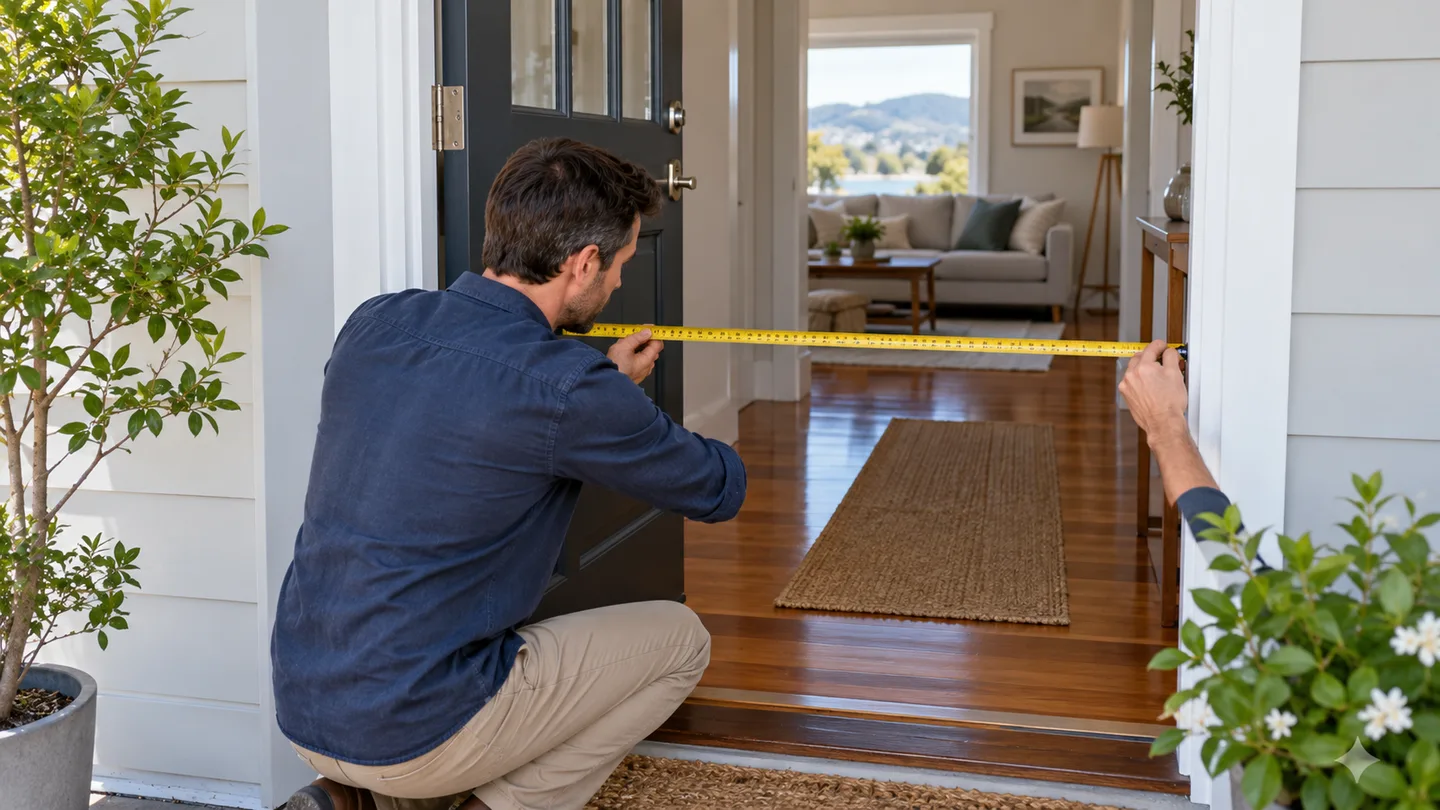
Use photographs to explain what measurements miss
Furniture route photographs should include the complete piece, the starting room, each opening, corners, stairs, the loading approach and the receiving room. Keep the views clear enough to show fixed obstacles. Add written measurements beside the photographs in your enquiry rather than relying on camera perspective.
For Hobart furniture access, describe the street approach and safe parking as well as the property route. The Hobart access guide connects these details. Where road permissions may be relevant, check the City of Hobart parking information for the actual location.
For Launceston furniture measurements, use the same process at the collection and destination properties. Measuring the delivery address should happen before the move or a furniture purchase is committed wherever possible. Do not assume the destination has better access because it is a newer or larger home.
Room placement measurements also matter. Confirm the intended room and whether there is space to place and, if agreed, reassemble the furniture there. A piece reaching the front hall is not the same as completing the requested placement.
Ask for a fit and handling assessment
A bulky furniture assessment should bring together item dimensions, condition, manufacturer instructions and the complete route. An oversized furniture enquiry may need further photographs or another assessment before a method or quote can be confirmed.
Furniture disassembly assessment is a separate question from whether an intact piece fits. A fixed joint, delicate veneer or previous repair can limit the options. Tell the team what you already know and avoid assuming that dismantling is included in every removal quote.
For fit assessment before purchase, use the second-hand furniture collection guide to connect the seller's information to your home access. If the route remains uncertain, keep that uncertainty visible in the purchase and transport discussions.
The ACCC's contract information supports checking the agreed service scope. Ask what handling has been assessed, which preparation is your responsibility and what additional work would require approval. A measurement sheet is valuable evidence for discussion, not a promise that any chosen furniture can enter any property.
Prepare a furniture measurement checklist
Build a furniture inventory dimensions sheet with one row per large item. Include its description, width, depth, height, detachable components, condition and intended destination room. Keep the units consistent and say if a dimension is estimated.
- Item: largest overall size and the parts that remain fixed.
- Openings: clear widths and heights, with obstacles identified.
- Turns: corridor corners, porches and available manoeuvring space.
- Stairs and lift: flights, landings, cabin details and building arrangements.
- Outside: parking, gates, surfaces and distance to the entry.
- Destination: receiving room, placement and any reassembly request.
Send this Tas Removals access brief with the photographs to the Hobart furniture removals team or through the Launceston furniture removals service. Tas Removals & Storage can discuss furniture removalists in Tasmania enquiries using the actual load and access, then confirm the suitable scope before booking.
Questions about this service
Will a sofa fit if it is narrower than the doorway?
That comparison alone cannot confirm fit. The complete shape, height, depth, turning area, fixed parts and protected size matter, as does the route on both sides of the door. Supply measurements and photographs for a handling assessment.
Should I use furniture volume to check doorway fit?
Volume helps describe the load and space requirements. It does not represent the shape or every position an item must pass through. Record the largest dimensions and the full access route separately.
What should I measure in an apartment lift?
Record the clear door opening, usable internal dimensions and the approach into and out of the lift. Check load restrictions, booking and protection requirements with the building manager. Lift suitability still needs assessment for the actual item.
Can I remove furniture legs to improve access?
Check whether the manufacturer designed them to detach and discuss the preparation scope. Do not assume fixed or damaged components can safely be altered. Record both the assembled and appropriately dismantled dimensions if available.
What photographs help an access enquiry?
Show the complete item, fixed components, openings, turns, stairs, lift and outside approach at both properties. Include written measurements and the intended placement room. Clear views help the team understand details that camera perspective can conceal.
Can Tas Removals & Storage guarantee fit from my measurements?
The information supports assessment and quote preparation. It does not guarantee fit or replace the team’s handling decision. Explain uncertain measurements and difficult routes so suitability and any further assessment can be discussed before booking.
Discuss your plan with Tas Removals & Storage
Turn your moving plan into a useful enquiry
Send the item list, addresses, dates and access details with the tasks you would like help with. Tas Removals & Storage can assess the proposed work and discuss a service scope that reflects your belongings and practical priorities.
Prefer email? Send your brief and photographs to info@tasfurnituretransport.com.au. Confirm the assessed scope and booking before coordinating other appointments around it.
Practical moving and storage guides
If furniture needs preparation before collection, connect access measurements to furniture preparation.
Before furniture reaches the receiving property, prepare the receiving route and room placement for delivery.