Hobart Moving Access Guide: Parking, Stairs and Driveways
Prepare the collection and delivery routes for your Hobart house move, from removal truck parking and steep driveways to stairs, doorways and apartment lifts.
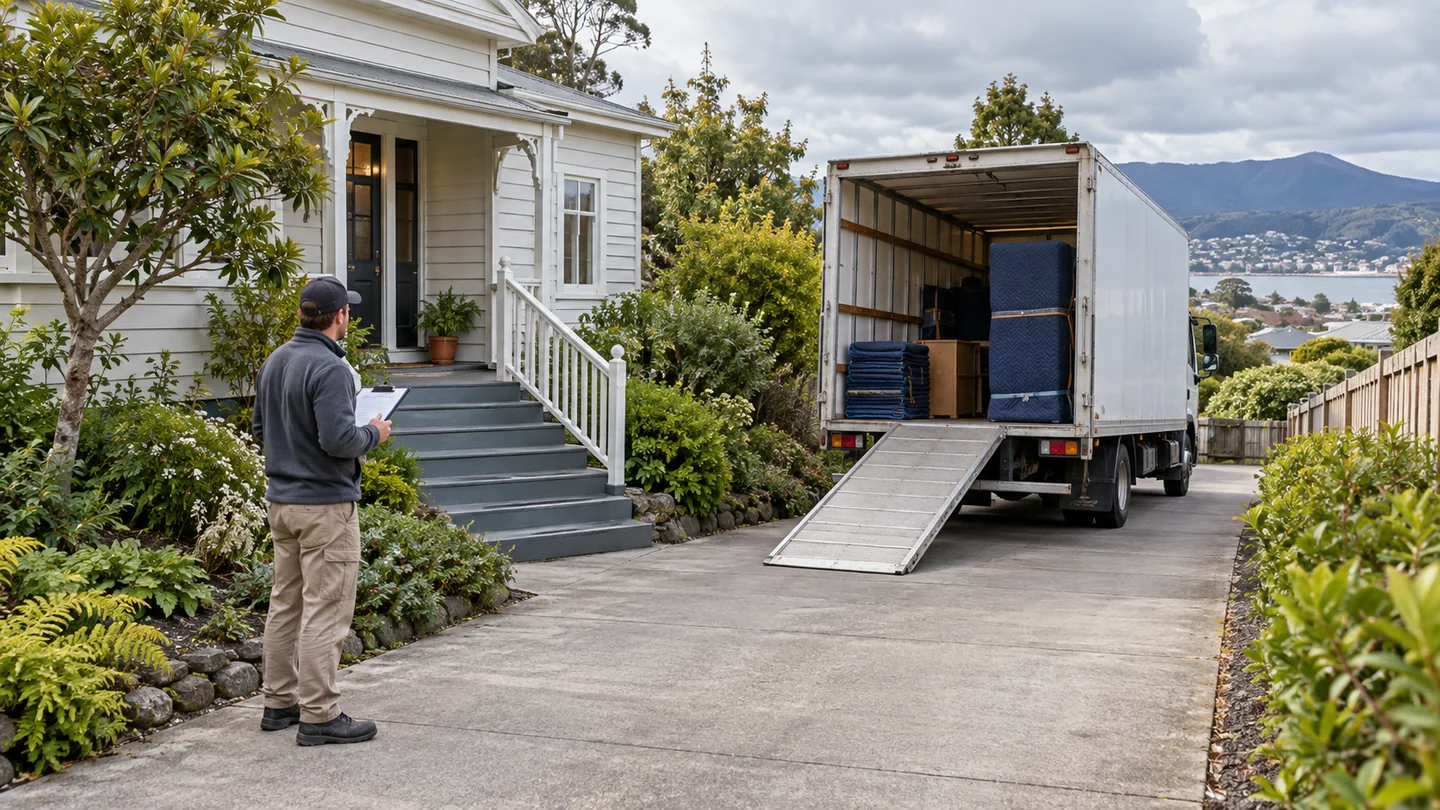
Give your Hobart removalists a clear picture of the access
Your furniture needs a suitable route from the room to the truck, then from the truck into the next home. Parking, steps, driveway conditions and doorways all belong in the moving brief, alongside the furniture inventory.
A sofa collected from a level driveway involves a different handling plan from the same sofa leaving an upstairs room with a tight stair turn. Explain those details when requesting Hobart removalist services so the load, labour, vehicle access and timing can be assessed together.
This guide focuses on residential access for Hobart house moves and furniture removals. For the belongings themselves, use our furniture measurement and inventory guide. Commercial loading docks and business delivery schedules have their own considerations in the commercial site access guide.
Start at the street
Show the likely parking position, signs, driveway entrance and route to the front door. Include restrictions rather than assuming a truck can stop anywhere.
Follow the furniture route
Record stairs, landings, narrow doors, hallways and low overhead clearances. Include the largest pieces and any planned dismantling.
Check both addresses
Delivery access matters as much as collection. Confirm keys, building arrangements and a suitable destination room before the truck arrives.
Hobart moving access checklist: what to send with your quote
Walk the full route that the furniture will follow. Start beside the proposed truck position, pass through the entrance and continue to the rooms being cleared. Repeat the process at the delivery property, or ask the person with access to collect the same information.
On a small screen, scroll sideways to read all three columns.
| Access feature | What to record | Useful photo or measurement |
|---|---|---|
| Street and parking | Where the truck may legally stop, nearby restrictions and any booked space. | A wide view of the approach, relevant signs and proposed loading position. |
| Driveway and gate | Slope, surface, corners, gates and anything affecting vehicle entry or turning. | The entrance, full driveway and any overhead or side obstruction. |
| Carry distance | The route between the loading point and door, including changes of level. | Approximate distance, steps and the narrowest section. |
| Doors and hallways | Clear openings, corners, fixed fittings and tight turns. | Clear doorway width and height, plus photos showing the approach. |
| Stairs and landings | Flights, turns, handrails, low ceilings and narrow landings. | Views from both ends and measurements of restricted sections. |
| Lift and building access | Move booking, lift availability, loading area and building contact. | Lift door and cabin dimensions, route to the unit and agreed time window. |
Pair these notes with a room-by-room item list, carton count and photos of the largest furniture. For Hobart furniture removals, flag long tables, modular lounges, tall wardrobes and items that may need dismantling. The team needs both the load and the access route to assess the job.
Plan removal truck parking and loading access
Identify a suitable loading position before moving day. Note whether it is on your property, in a shared driveway or on a public street. Explain time limits, signed restrictions and other conditions that might affect the proposed truck position. The driver still needs to assess whether the location is suitable.
The City of Hobart’s parking permits and schemes guidance explains options for metered spaces, restricted parking and loading-zone arrangements. Confirm the applicable requirements with the council and removalists before relying on a location. A residential parking permit does not reserve a space for your moving truck.
Greater Hobart includes addresses managed by different councils and, in some locations, other authorities. Use the rules for the actual street or site rather than assuming City of Hobart arrangements apply in Glenorchy, on the Eastern Shore or in Kingston. Tell the moving team who manages the proposed loading area.
Agree who will enquire about any required permit or booking, when approval is needed and what information the driver must supply. Do not assume a parking request has been approved simply because it was discussed. Keep the confirmed details with the moving brief.
Shared driveways and building loading areas
Check with the property manager or relevant building contact before proposing a shared access area. Record gate arrangements, vehicle clearances, delivery hours and whether other residents need the same route. A space suitable for a car may not suit a furniture removal truck or its loading equipment.
If suitable close parking is unavailable, describe the likely carrying route and approximate distance. A long carry can affect labour, equipment and timing. Ask how that access is included in the written moving quote, particularly when either address is part of an interstate move.
Steep driveways, gates and outdoor furniture access
For a Hobart home with a sloping driveway, send photos from the street, the entrance and the top or bottom of the access route. Describe the surface and any tight corner, abrupt slope change, narrow gate or low overhead feature. The vehicle and handling plan need to suit the actual property.
A wide driveway is not enough information on its own. Its slope, approach, turning space and surface can also affect access. Avoid choosing a truck position based only on where a smaller vehicle has parked before. Ask the removalists to assess it from the information supplied, with an inspection where needed.
If the proposed vehicle cannot reach the door, discuss the available options before confirming the booking. A different loading point or a separately assessed handling arrangement may be needed. Availability, extra transport stages and charges must be established for the job; they should not be assumed.
Include rear entrances, sheds, garages and outdoor furniture in the route notes. A clear front hallway will not help if a large outdoor table must pass through a narrow side gate. For a whole-house move in Hobart, record every collection area rather than only the main living rooms.
Check stairs, doorway clearance and furniture turns
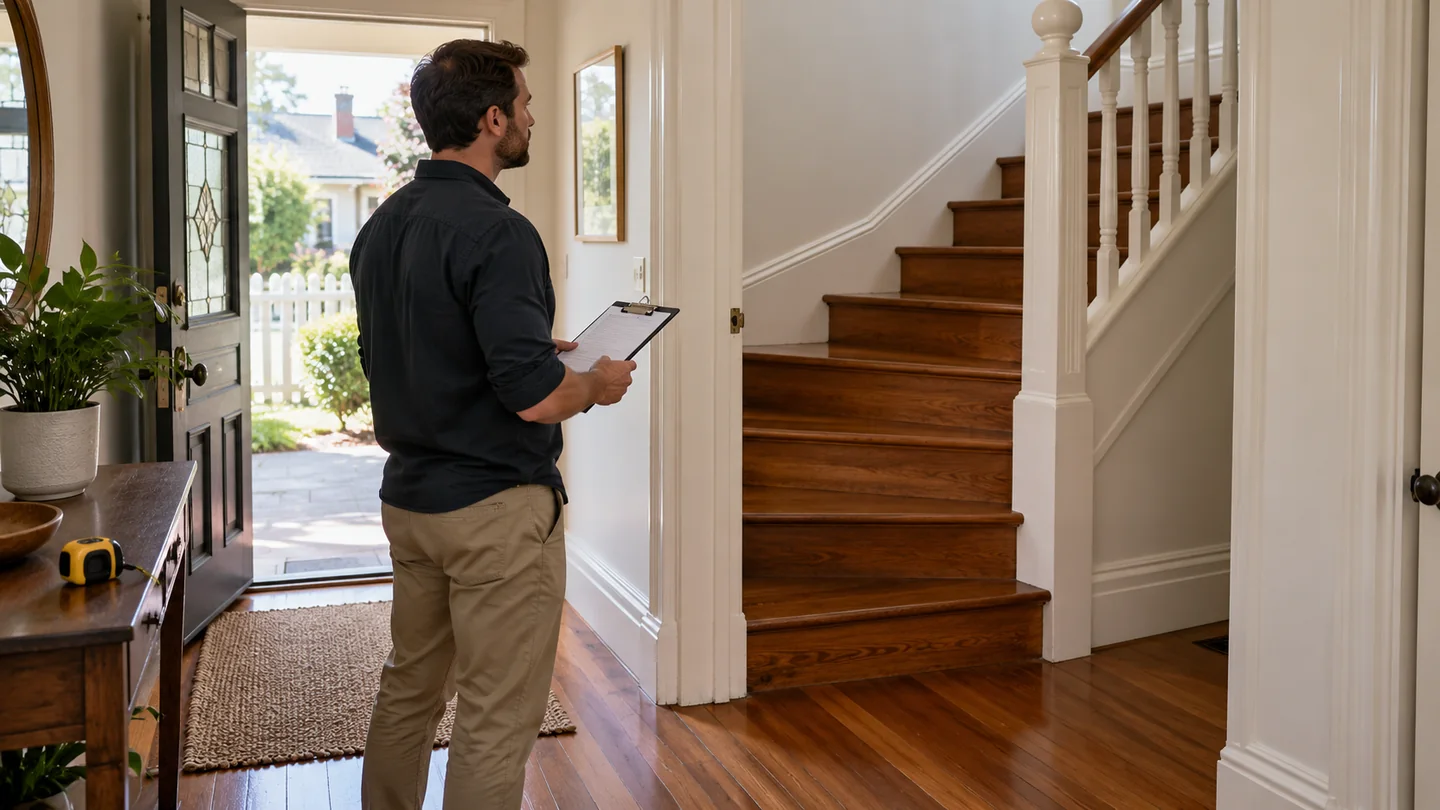
Measure the clear opening through which the furniture must pass, not just the door-frame dimensions. Handles, fixed fittings, handrails and the approach angle can reduce usable space. Record the furniture’s outside measurements, including protruding feet or arms and the form in which it will travel.
For stairs, describe the number of flights, changes of direction, landing space and overhead clearance. A long sofa may fit through a doorway but still need assessment at the next turn. Photos from both directions help show restrictions that a single close-up can miss.
Ask whether dismantling is appropriate and who will do it. Removable table legs or modular lounge sections can change the handling plan, but not every piece is designed to come apart. Keep fittings identified and agree on any reassembly work. Measurements support assessment; they do not guarantee a fit.
Safe Work Australia’s manual-task guidance explains why forceful handling, awkward postures and the work area matter. Let the team assess suitable help and equipment for heavy or restricted-access furniture. Do not improvise a balcony lift or remove fixed building features to create a route.
Apartment moves: lifts, keys and building arrangements
For apartment and unit removals, contact the building manager early. Ask whether the move needs a booking, which lift can be used, what protection is required and where the truck should load. Confirm the lift’s clear door opening, cabin dimensions and applicable capacity information.
Include the route between the loading area, lift and apartment door. Security doors, narrow corridors, several turns or a separate flight of stairs can still affect access even when a lift is available. State which floor the belongings are on and whether every item can use the planned route.
Confirm who will provide keys, open gates and act as the building contact on the day. Match the moving window with property handover and entry arrangements. If there is a gap before delivery can occur, discuss a Hobart move with a storage stop and confirm the storage location and redelivery scope.
Prepare the route before collection
- Keep the agreed path through rooms, halls and entrances clear of loose belongings.
- Set aside keys, building contacts and access confirmations where you can find them.
- Identify fragile cartons and any furniture requiring a different handling plan.
- Tell the removalists promptly if parking, lift access, dates or the load have changed.
- Have a destination room plan so furniture can be placed through the assessed route.
If delicate kitchenware or selected pictures still need packing, consider fragile-only packing assistance as part of your enquiry. Keeping packing requirements and access notes together helps the team understand the full collection plan.
Recheck property access when booked dates change
The interstate booking-date change guide helps you update collection, delivery and access together. Reconfirm the loading position, lift booking, keys and delivery contact for the agreed replacement dates, and send new access details if the destination changes.
Hobart moving access questions
What access details should I send to Hobart removalists?
Send photos of the proposed truck position and the route to the rooms, along with parking restrictions, driveway conditions, carry distance, stairs, doorways and lift arrangements. Include the furniture inventory and the same access information for delivery. These details help the team assess the whole move.
Do I need a parking permit for a Hobart furniture move?
It depends on the street, proposed loading position and applicable authority. Check current requirements with the relevant council or site manager and agree who will arrange any permit or booking. A residential parking permit does not reserve a space. Confirm approval before relying on a loading location.
Can a removal truck use a steep driveway?
That needs an assessment of the actual driveway and proposed vehicle. Supply photos showing the approach, slope changes, surface, gates, corners and overhead restrictions. A driveway that suits a car may not suit a removal truck. Discuss another loading point or handling arrangement if needed, including any quoted charges.
Will furniture fit if the doorway is wider than the item?
Doorway width alone cannot establish a suitable route. The opening height, approach angle, corners, stairs, landings, fixed fittings and item shape also matter. Send measurements and photos of the complete route, and discuss appropriate dismantling. Measurements support the removalists’ assessment rather than guaranteeing a fit.
Who should arrange lift access for an apartment move?
Contact the building manager or relevant property contact early and confirm the booking process, usable lift, door and cabin dimensions, capacity information and moving window. Agree who will make the booking, provide keys and open loading areas. Give those confirmed arrangements to the removalists before collection.
Can difficult access affect my moving quote?
Yes. Stairs, long carries, restricted parking, lift bookings or an unsuitable driveway can change the handling plan, labour, equipment and timing. Describe both addresses before requesting the quote and ask how the assessed access is included. Notify the team if the access, load or dates later change.
Request a Hobart moving quote with the access details included
Send your furniture list, carton count, moving dates and photos of the collection and delivery routes. Tas Removals & Storage can assess the proposed furniture move and discuss the required services.
Next: plan your Hobart house move or scope packing help for selected fragile items.