Moving artwork, mirrors and glass furniture in Tasmania
Give the pieces you care about their own moving plan. Discuss preparation, protection and delivery for framed artwork, mirrors and glass furniture in Tasmania.
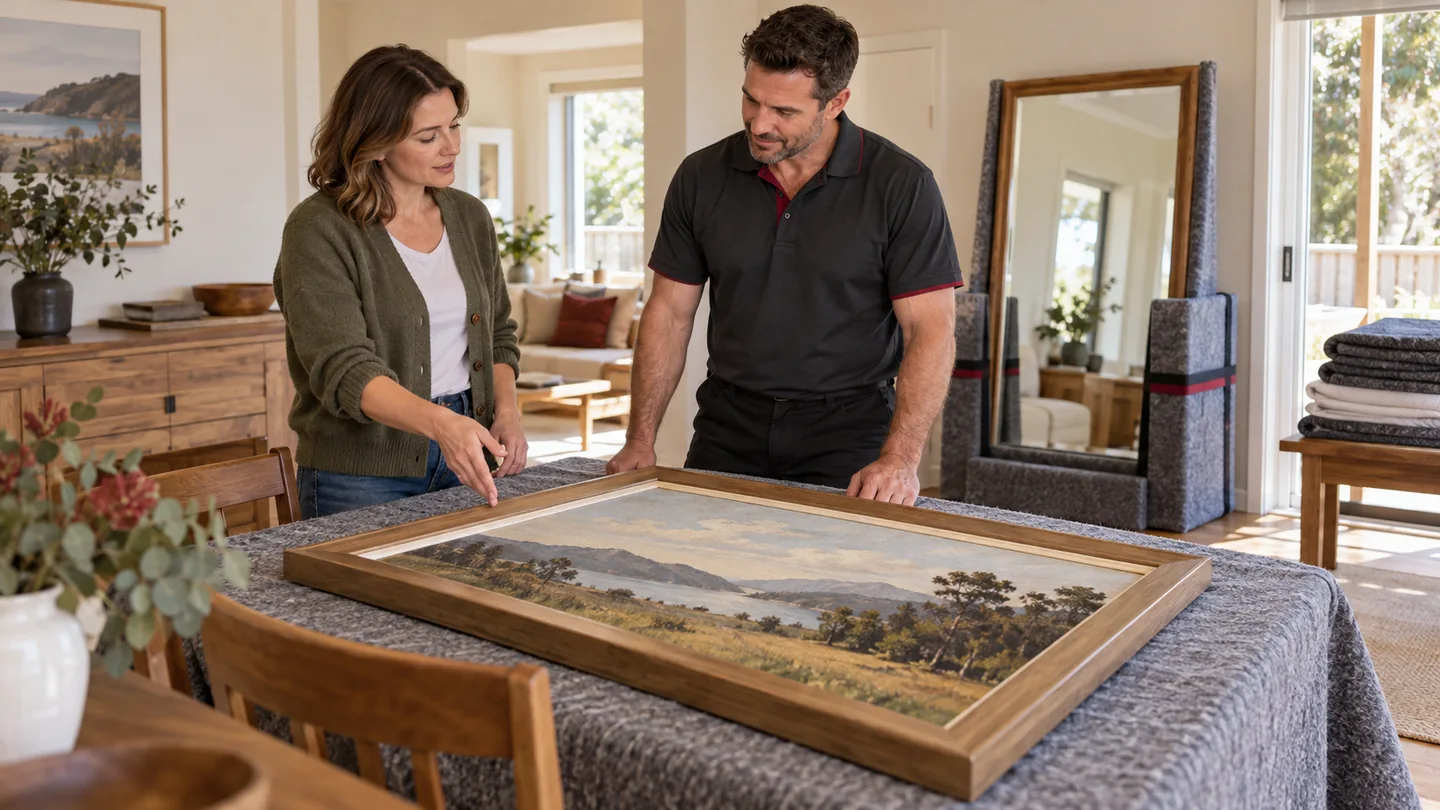
Move the pieces you would hate to see damaged
The framed print above your dining table, the mirror inherited from family and the glass cabinet you have kept for years all need more thought than an ordinary carton. Their shape, surfaces and existing condition affect how they should be prepared and moved.
Tas Removals & Storage can help plan artwork, mirror and glass furniture removals in Tasmania, whether they are selected items or part of a house move. Send photographs and an item list so we can discuss packing, collection and delivery together. Tell us which pieces are valuable, sentimental, unusually large or already fragile.
Our specialty-item moving services in Tasmania cover the wider enquiry. This guide helps you describe household paintings, framed pictures, mirrors, glass tabletops and display furniture. If a piano is coming too, our guide to piano removals in Tasmania covers its separate access and preparation needs.
Make an item list that shows what needs protecting
Give each piece an identifier and photograph it in its current position. Add its outer dimensions, including the frame, and any known weight or manufacturer's information. Photograph visible marks or damage without lifting or turning an awkward piece just for the enquiry.
Swipe or scroll sideways to read the full fragile-item table.
| Item | Tell us about | Discuss before collection |
|---|---|---|
| Framed artwork and pictures | Outer size, frame material, glazing if known, loose corners and the artwork's surface. | Frame and face protection, packing materials and the condition record. |
| Unframed paintings | Canvas or other support, painted edges, delicate texture and any conservation advice. | Suitable protective support and whether preparation by a conservator is needed. |
| Large or antique mirrors | Size, frame, existing chips or cracks, and whether the mirror is mounted or freestanding. | Who removes it from the wall, edge protection and the handling route. |
| Glass dining or coffee table | Top dimensions, thickness if known, the base and manufacturer's removal instructions. | Whether the top detaches, individual protection and agreed reassembly. |
| Glass display cabinet | Glass doors, removable shelves, fixings, cabinet size and contents to be removed. | Cabinet preparation, separately protected components and their matching labels. |
For a collection of artworks, connect each photograph to the inventory rather than sending an unidentified gallery of images. Add the destination room and any special unpacking instructions. Our moving inventory and labelling guide helps keep the records together.
Choose packing and protection for each piece
A glazed print, a textured painting and a removable glass shelf have different surfaces and support needs. Ask which protection and materials are proposed for each item, who will pack it and when that preparation happens. A fragile label identifies the contents; it does not replace adequate protection.
Keep any original purpose-made packaging or manufacturer's instructions available. For artwork packing, discuss protection for the frame, corners and front and back, including how materials will be kept away from sensitive paint or finishes. Avoid applying adhesive tape or wrapping directly to painted surfaces or decorative finishes.
Custom crating may be worth discussing for an awkward or valuable piece. Have its suitability, preparation time, cost and unpacking needs confirmed in the quote. Our fragile-only packing service guide helps describe selected items when you are packing the everyday belongings yourself.
For glass cabinet removals, identify any shelves or components that the team agrees should travel separately. Match each protected component to the cabinet on the inventory. Do not dismantle unfamiliar fixings just because a shelf looks removable; share the instructions and ask who will do that work.
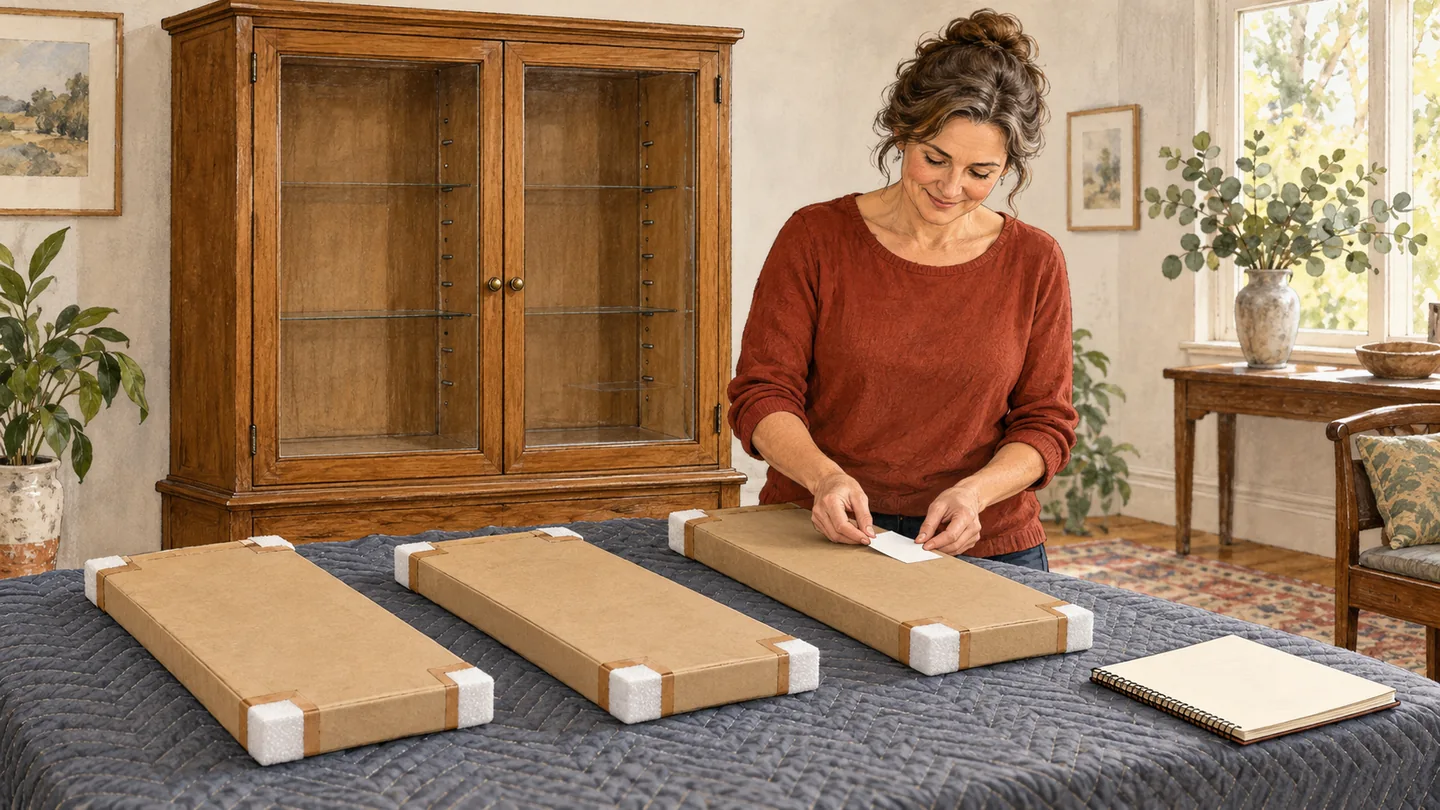
Check condition and ask for conservation advice where needed
Tell us about flaking paint, a loose decorative frame, damaged canvas, cracked glass or uncertain fittings before the packing visit. Leave an unstable piece in place until the next step is agreed. Packing cannot correct damage or make an unsuitable frame sound.
The Canadian Conservation Institute's painting handling guidance recommends checking condition and planning the route and receiving area before handling. If a painting or frame cannot be handled safely, get a qualified conservator's advice first.
Unframed artwork transport deserves an individual plan. Queensland Art Gallery | Gallery of Modern Art explains how handling frames protect unframed paintings. That is a useful illustration of why a blanket directly against every paint surface is not a suitable general rule.
The CCI's painting wrapping guidance also distinguishes surface protection from further shipping protection. Discuss the actual piece with the packer or conservator; do not roll a stretched canvas, clean a delicate surface or alter a frame to reduce the transport size.
Plan wall removal, access and collection permissions
Say whether each mirror or artwork is still on the wall. Wall removal, transport and hanging at the new property are separate tasks. Agree who will take it down and whether a suitably qualified installer or other help is needed. Do not promise that a fixed mirror will be ready for collection before checking how it is attached.
For large mirror removals, photograph the doorway, hall turns, stairs and vehicle approach as well as the mirror. For glass-top furniture, include the base and the route both assembled and as any permitted components. Use our doorway and furniture measurement guide to gather useful details rather than assuming a narrow edge guarantees a fit.
Give the team access information for both properties. WorkSafe Tasmania's manual handling risk guidance supports planning the people, equipment and route for awkward loads. Clear the ordinary clutter, and keep the working area available for the movers.
For an artwork or furniture purchase, identify the seller's release requirements, contact and collection hours. For a borrowed piece, include the owner's permission and receiving instructions. Have the collection time confirmed before arranging to meet at a gallery, seller's home or other premises.
Local delivery, interstate transport and a gap between homes
Include both addresses and postcodes when enquiring about artwork movers in Hobart, mirror transport in Launceston or glass furniture delivery elsewhere in Tasmania. If these pieces are travelling with a household load, identify them separately in your Tasmanian furniture removal quote. A list headed only “lounge room furniture” can hide the work needed for a glazed cabinet or large painting.
Interstate artwork transport involves more than the pickup address. Explain the complete journey, final receiver, requested dates and any packing or storage stage. Our interstate packing guide for Tasmania covers the broader household preparation. Item acceptance and the protection and handling plan should be confirmed before the pieces are released.
If there is a gap between homes or a renovation delay, ask about the actual storage location and whether the proposed conditions suit the artwork, frames and glass furniture. Supply any conservation requirements. Check access, additional handling, storage charges and redelivery; do not assume every storage option offers the same environment.
Our packing for storage guide helps connect the household inventory with the storage period. Keep the item records and agreed handling instructions available for the later delivery too.
Prepare a receiving space and check each piece on arrival
Nominate the room and a suitable clear receiving area before delivery. Give the receiver the inventory, condition photographs and agreed unpacking instructions. Keep fragile pieces out of busy walking routes while furniture is being unloaded, and agree who will unpack any special packaging.
Check visible condition with the delivery team and record any concern promptly. Keep relevant packaging and photographs if damage needs to be discussed; ask how the concern should be reported. Avoid attempting repairs while the facts are being recorded.
Glass furniture reassembly, shelf fitting and artwork hanging need clear inclusions. If an installer will hang a heavy mirror or artwork later, make that timing part of the receiving plan. Our furniture delivery-day guide helps organise keys, access and the person directing placement.
Get a fragile-item removal quote that covers the complete job
Send the item list, photographs, dimensions, both addresses and preferred dates to Tas Removals & Storage. Add the help you want with packing, wall removal, permitted component work, placement and unpacking. This makes artwork removal costs and glass furniture transport quotes easier to compare.
Ask which labour and materials are included, whether custom packing or crating is needed, and how extra items or changed access would be priced. Read the booking's payment, change and cancellation terms. The ACCC's service contract guidance explains why understanding the terms matters.
For valuable artworks, antique mirrors or a special collection, discuss insurance before collection. Check the named items, accepted values or valuation requirements, packing conditions, transit and storage stages, limits, exclusions and excess. Moneysmart's contents insurance advice explains why valuable-item limits and exclusions need checking. Neither sentimental importance nor a photograph establishes automatic cover.
You do not need to know the technical packing answer before calling. Show us the pieces and the route, explain what matters to you, and we can discuss the preparation and moving work needed for your booking.
Questions about moving artwork, mirrors and glass furniture
Can I request moving help for artwork, mirrors and glass furniture?
Yes, send an identified item list, photographs, dimensions, both addresses and dates. Explain whether the items are selected pieces or part of a household move, and identify packing, access and condition concerns. Tas Removals & Storage can discuss the requested preparation, collection and delivery.
Can I book packing for only the fragile pieces?
Name the paintings, framed pictures, mirrors or glass components you want packed while preparing the everyday belongings yourself. Ask which protection, materials and labour are included, when packing will happen and who will unpack. The work needs to be agreed for the actual items.
Does artwork always need a custom crate?
No single package suits every piece. Size, surface, frame, condition and the journey affect the protection needed. Ask whether custom packing, a crate or specialist protective support is appropriate, and have the cost, preparation time and unpacking requirements confirmed before the item is released.
Can you move an unframed painting or a fragile antique frame?
Provide photographs, dimensions, surface details and any conservation instructions. A delicate paint surface or unstable frame may need preparation by a qualified conservator before transport. Discuss suitable support and item acceptance before collection; do not roll the canvas or alter the frame to make packing easier.
Are mirrors taken off the wall and rehung after delivery?
Wall removal, transport and installation are separate tasks. Say how the mirror is attached and ask who will take it down. Have any required installer, property permission and hanging at the destination arranged explicitly. These tasks are not automatic inclusions in a furniture transport quote.
Should glass tabletops and cabinet shelves be removed before moving?
Share the manufacturer’s instructions and photographs of the fixings. Have the team confirm whether components should be removed and who will do it. Identify separately protected pieces with their table or cabinet on the inventory, and agree any reassembly or shelf fitting at delivery.
What should I check about insurance for valuable artwork?
Ask about the named pieces, accepted values or valuation requirements, who provides any cover, and which packing, transport and storage stages apply. Read limits, exclusions and excess. A household policy, carrier liability or an item’s sentimental importance should not be assumed to establish cover for every moving situation.
What should I do when fragile items arrive?
Have a receiver, clear destination space, inventory and condition photos ready. Follow the agreed unpacking instructions and check visible condition with the delivery team. Record concerns promptly, keep relevant packaging and photographs, and ask how to report them. Hanging, installation and repairs require their own arrangements.
Show us the pieces that need extra thought
Send Tas Removals & Storage the item list, photos, sizes, addresses and dates. Tell us about delicate surfaces, wall-mounted pieces and packing help so we can discuss the complete move.
Prefer email? Send your item list and photographs to info@tasfurnituretransport.com.au.
Useful services and moving guides
Piano removals in Tasmania
Plan the instrument separately if it is part of the load.
Fragile-only packing
Ask for help with selected delicate belongings.
Packing and unpacking services
Connect preparation with the agreed help after delivery.
Prepared for Tas Removals & Storage, 14 October 2026. Official resources linked in this guide were checked during preparation.