Furniture disassembly and reassembly for Tasmania moves
Identify what can safely come apart, who will prepare it and how the pieces will be reunited at delivery.
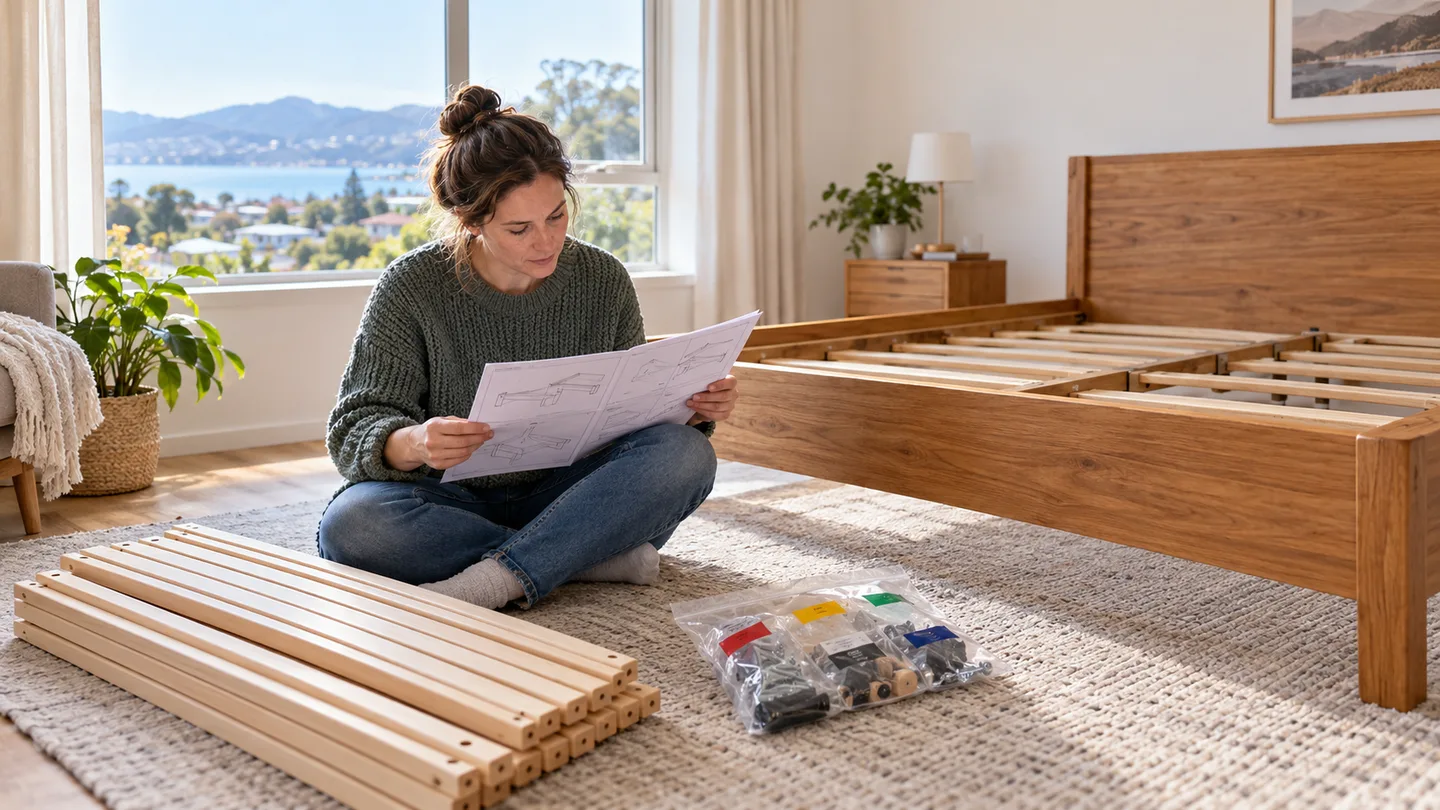
Make dismantling part of the removal enquiry
Furniture dismantling for moving should be planned before collection. The item, its condition, manufacturer instructions and access route determine what needs assessment.
Tas Removals & Storage can discuss furniture disassembly Tasmania enquiries alongside furniture removal and packing services. If you want furniture reassembly Tasmania help at the destination, include that request at the same time. Dismantling and reassembly are tasks to agree in the quote, rather than automatic inclusions for every piece.
Furniture assembly after moving is easier to plan when the parts, fittings and instructions stay associated with the item. Tell the team whether furniture will be owner-prepared or whether you want the preparation work assessed. Explain any uncertainty about fixed fittings, previous repairs or damaged joints.
The existing Hobart furniture removals and Launceston furniture removals services provide the enquiry pathway. This guide helps you describe the extra preparation and delivery work clearly.
Assess the furniture before deciding to dismantle it
Begin with the complete item: material, size, age if known, condition and model. Photograph fixed furniture fittings, joints, glass, panels and any delicate surfaces. Pre-existing furniture damage needs to be recorded before parts are removed or handling begins.
Manufacturer assembly instructions show how the item was designed to go together. They may also help identify which components are removable and any model-specific requirements. Instructions for a similar-looking product are not a reliable substitute for the correct model.
Fragile furniture joints, stripped fixings, glued sections or previous repairs can affect whether dismantling is sensible. Flat-pack furniture moving may involve panels that are vulnerable around screw holes or edges. Do not assume repeated disassembly will leave every piece in its original condition.
For oversized furniture access, compare the intact and appropriately dismantled dimensions with the route. Our furniture measurement guide supports that furniture access assessment. A piece that is smaller after dismantling still needs its separate components and protected surfaces assessed for transport.
Describe common furniture preparation requests
Bed frames and bedroom furniture
Dismantling bed frames can involve rails, headboards, supports, slats and model-specific hardware. Identify the frame and its instructions, then explain who will prepare it. Bed slat identification matters where pieces are not interchangeable or have a required position. The bed and mattress moving guide connects frame preparation to mattress protection and bedroom delivery.
Tables, cabinets and wardrobes
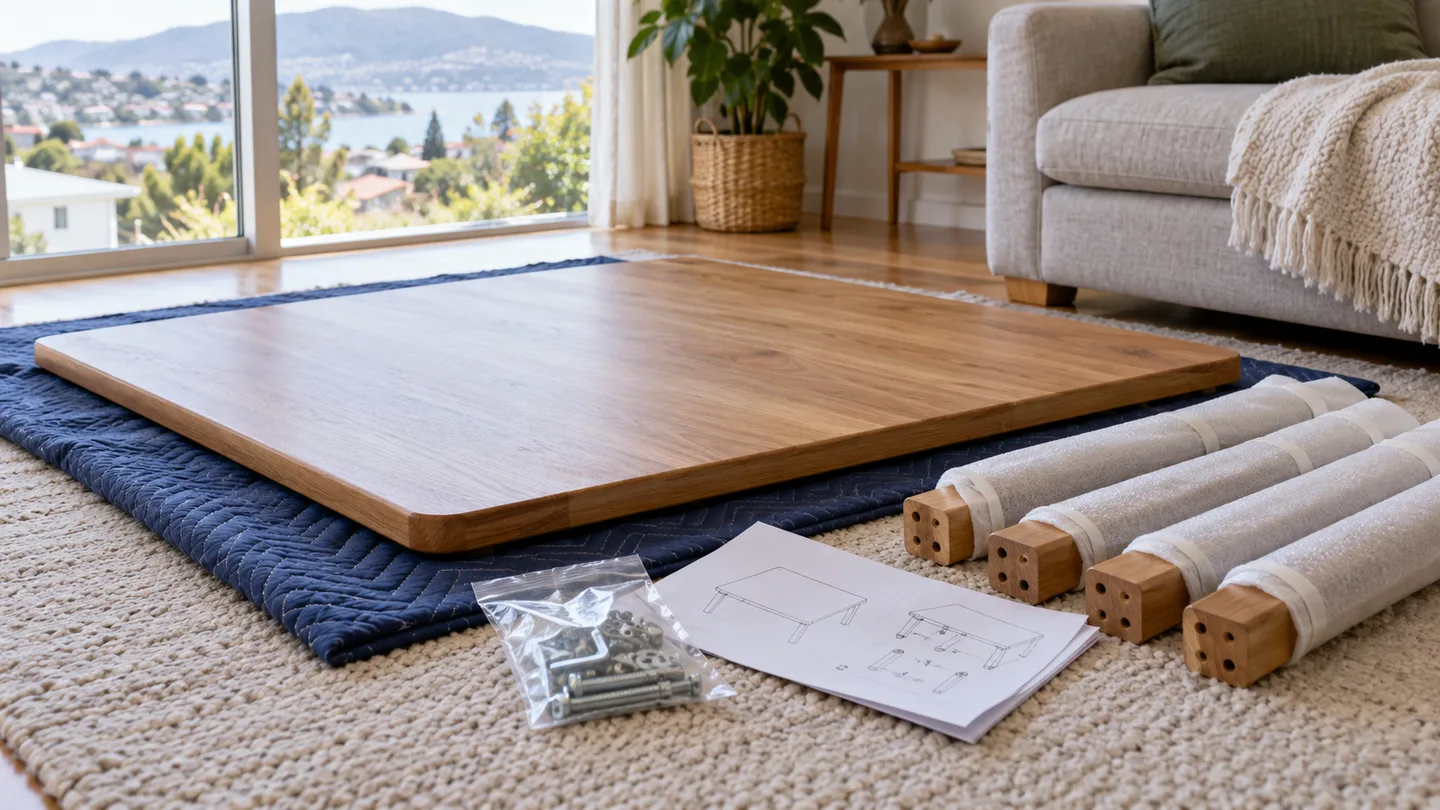
Dining table leg removal may be straightforward for some designs and unsuitable for others. Check the actual fittings and avoid assuming that fixed legs detach. Cabinet shelf removal should be discussed alongside the condition of glass, doors and shelf supports.
A wardrobe dismantling enquiry needs model details, dimensions, access and photographs of panels and connections. A large wardrobe assembled in its room may have a different exit problem from a compact free-standing cabinet. Tell the team what has already been dismantled and what remains intact.
For unusual or heavy furniture, use the specialty item moving enquiry to explain the piece. Suitability and handling need assessment before a method is confirmed.
Keep components, hardware and instructions together
A furniture parts inventory connects each packed component to the complete piece. Use consistent item numbers and labelled furniture components. Keep photographs that show how the item looked before preparation and identify any pieces already separated.
Furniture hardware bags should be securely closed and clearly associated with their item. Small fittings can be difficult to identify after several beds or tables are prepared together. Do not leave them loose in a general carton without a record of where they belong.
Photographed assembly stages can help document owner-prepared furniture when preparation follows the correct instructions. They are a record for discussion, not a replacement for those instructions or proof that reassembly will be suitable. Retain instructions in a place that the authorised delivery contact can access.
Missing furniture hardware should be raised before collection if known. Explain what is absent and whether replacement parts have been obtained. The removal team should not have to discover an incomplete assembly kit after the load has arrived. Our labelling and inventory advice supports consistent records across components and cartons.
Plan protection and safe handling for separated parts
Furniture transport protection needs to suit exposed edges, finishes and shapes. Long rails, thin panels, polished tops and glass components may require different preparation. Ask about the materials and packing work needed for the actual load.
Packed furniture components should remain identifiable. Discuss whether the team will pack them or whether you are supplying already-prepared pieces. Include unusual dimensions and components that cannot safely be stacked with other goods. Do not load delicate panels simply because they occupy less space than the complete piece.
Safe Work Australia's manual-task guidance explains why handling risk involves the task and environment as well as the weight. Safely clearing furniture needs a suitable plan and equipment; this page is not a step-by-step lifting or dismantling instruction.
If furniture storage components are included in the move, keep the inventory and return sequence with the booking. The storage packing guide helps explain clean, dry preparation and identification. Record any component you retain at home so later reassembly enquiries reflect the complete set.
Check dismantling and reassembly in the written quote
A furniture dismantling quote should identify the items, preparation tasks, packing materials and access. Ask whether the proposed removalist dismantling scope covers the specific furniture you described or only selected tasks. Extra items or newly discovered fittings can change the work.
Reassembly quote inclusions should state the furniture and the destination tasks to be assessed. Confirm whether the required instructions, fittings and space will be available. Furniture assembly limitations may arise from missing parts, damage, fixed fittings or a design requiring another specialist.
The ACCC's contract information and price-display guidance support checking the written service scope and complete cost. Ask what requires a revised quote if the preparation turns out to differ from the original description.
For dismantling and packing services, use the packing service enquiry with the furniture list. Hobart furniture dismantling and Launceston furniture reassembly requests should include both addresses, rather than assuming the preparation and return work happen in the same place.
Prepare the room and a complete enquiry brief
Reassembly at delivery needs a usable room and the correct components. Identify the intended placement, clear the working area and have the instructions available. Confirm the agreed tasks before delivery day; do not add assembly work on arrival without discussing its scope.
Your furniture preparation checklist should contain the item and model, condition photographs, assembled and component dimensions, instructions, fittings inventory, packing responsibility and requested delivery work. For local furniture removals, include parking, stairs and room access at both properties.
For interstate furniture dismantling requests, add the origin and destination, collection window and any storage stage. Tas Removals furniture help starts with an accurate brief, whether you want the team to assess preparation or are arranging it yourself.
Send the furniture removal enquiry to Tas Removals & Storage with the photographs and scope. Professional furniture handling should reflect the actual piece and route. A complete enquiry helps the team assess the work, explain the responsibilities and identify what needs confirmation before booking.
Questions about this service
Is furniture dismantling included in every removal?
Dismantling is a task to confirm for the specific booking. Describe the items and ask whether preparation, materials and handling are included. Do the same for reassembly at the destination rather than assuming the two tasks are automatically covered.
Can all flat-pack furniture be taken apart again?
Suitability depends on the design, instructions, condition and fixings. Damaged joints, missing hardware or previous repairs can affect the options. Send photographs and model information for assessment before deciding to dismantle the furniture.
How should I identify furniture hardware?
Keep fittings securely contained and associated with the correct item through consistent labels and an inventory. Record missing pieces before collection. Retain the manufacturer instructions and make them available for any agreed reassembly work.
Should I remove table legs or cabinet shelves myself?
Check the correct instructions and discuss the owner-preparation scope. Some components detach by design and others are fixed or fragile. Avoid assuming that removal is suitable merely because a piece looks easier to transport that way.
What is needed for reassembly after delivery?
Provide the correct complete components, fittings and instructions, a usable room and an authorised contact. Confirm which furniture and tasks were included in the quote. Missing parts or damage can affect what can be completed.
What should accompany a disassembly enquiry?
Send item descriptions, models if known, condition photographs, dimensions, instructions, access at both properties and the tasks you want assessed. Say what is already dismantled and who will prepare, pack and reassemble each piece.
Discuss your plan with Tas Removals & Storage
Turn your moving plan into a useful enquiry
Send the item list, addresses, dates and access details with the tasks you would like help with. Tas Removals & Storage can assess the proposed work and discuss a service scope that reflects your belongings and practical priorities.
Prefer email? Send your brief and photographs to info@tasfurnituretransport.com.au. Confirm the assessed scope and booking before coordinating other appointments around it.