Moving to Tasmania: Household Biosecurity Checklist
Check outdoor equipment and restricted goods before packing. Coordinate household preparation, the current personal effects declaration and the handover with your interstate removalists.
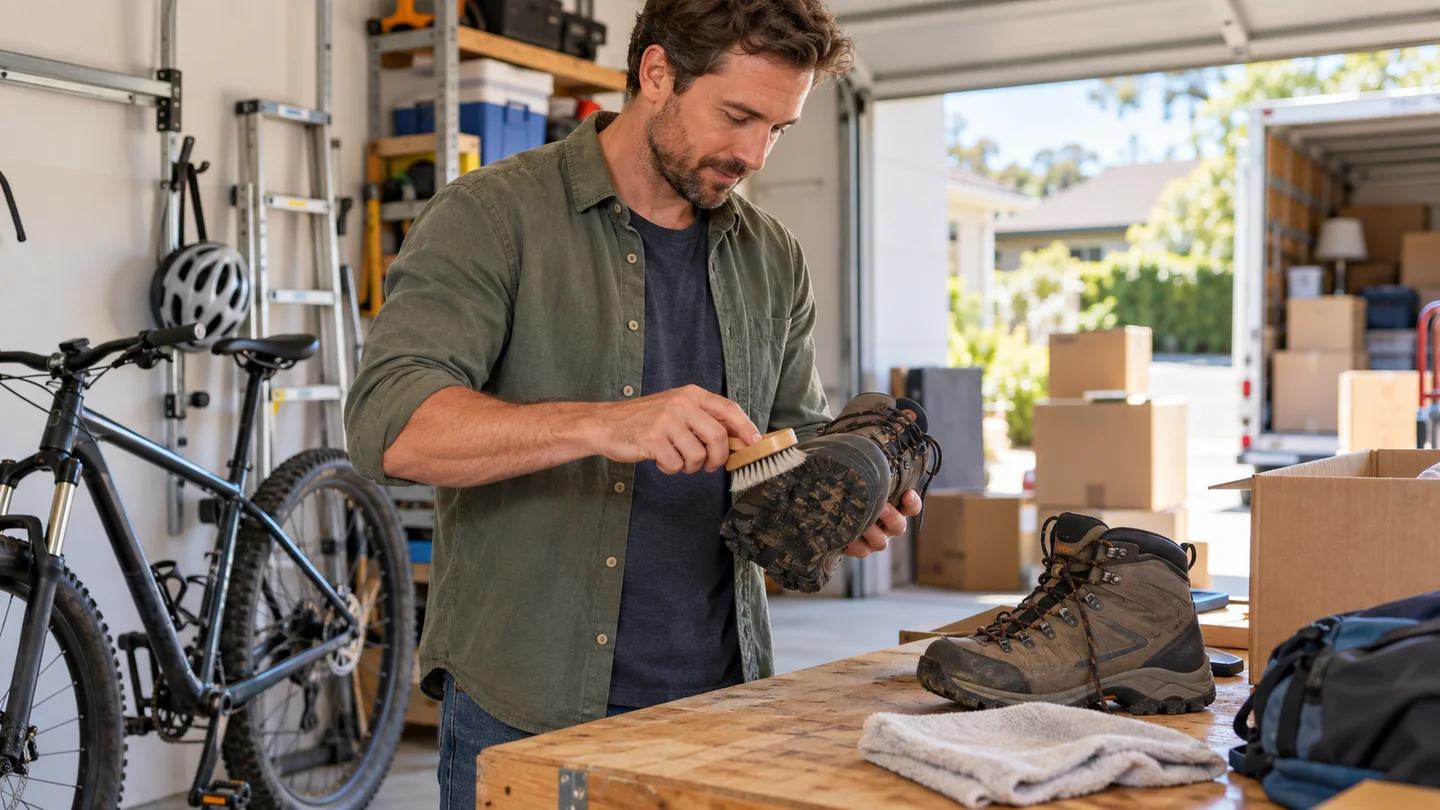
Prepare household goods before moving to Tasmania
A household move to Tasmania needs more than a furniture list and a collection date. Check the belongings that have been outdoors, identify goods with entry requirements and keep the biosecurity paperwork connected to the actual moving load.
Start with the shed, garage, garden and outdoor cupboards. These areas are easy to overlook while packing bedrooms and kitchenware. A bicycle, camping kit or garden tool can need preparation even when the furniture beside it is ready to move. Record those items in the same inventory used for your interstate removalist enquiry.
Biosecurity Tasmania’s moving and travelling guidance explains the need to check restricted goods and prepare personal effects. The owner needs to provide accurate information about the contents. Your removal booking, packing service and biosecurity requirements are related tasks, each with its own checks.
Check the item
Identify outdoor equipment, plants, food and unusual belongings before cartons are sealed. Look up the requirements for the actual item.
Prepare the load
Allocate time and a separate work area for cleaning and drying. Keep prepared equipment away from dirty goods and loose garden material.
Record the handover
Match the inventory, carton labels and declaration to what will travel. Confirm who completes and lodges the required paperwork.
Household biosecurity checklist for a Tasmania move
Make a second pass through your moving-to-Tasmania checklist with outdoor and restricted items in mind. This table helps organise the enquiry; it does not classify an item as approved for entry.
On a small screen, scroll sideways to read all three columns.
| Item group | What to record | Planning action |
|---|---|---|
| Garden and outdoor tools | Tools, mowers, containers and equipment used around the property. | Set aside preparation time and check the household-equipment guidance. |
| Footwear and recreation | Hiking boots, tents, bicycles and gear used outdoors. | Check contact points and storage bags before adding them to the load. |
| Fishing or diving gear | Equipment type, previous use and whether it is fully dry. | Follow the specific cleaning, declaration and inspection requirements. |
| Plants and garden material | Live plants, bulbs, seeds and anything containing soil or growing material. | Check plant import requirements separately before deciding what will travel. |
| Food and pantry contents | The actual goods you intend to pack, including fresh produce. | Check the relevant food category rather than treating every pantry item alike. |
| Other specialist belongings | Used beekeeping gear, animal-related equipment or unusual natural materials. | Seek current item-specific guidance before including them in household cartons. |
Add a short preparation note beside each relevant inventory entry: “requirements checked”, “cleaning still needed” or “awaiting official advice”. These are your planning notes, not clearance labels. Keep uncertain items separate so an unresolved question does not disappear into a sealed carton.
For the volume of the confirmed load, use our furniture volume and inventory guide. If you decide to leave belongings behind, update both the item list and carton count before the moving quote is finalised.
Clean and dry outdoor equipment before packing
Biosecurity Tasmania’s plant import guidance and household and recreational equipment guidance address different risks. Cleaning a tool does not establish that a plant or other restricted item can be imported.
For household and outdoor equipment, remove soil, seeds, plant fragments and other debris. Inspect less obvious places such as boot treads, wheels, tool joints and bags. Follow the item manufacturer’s cleaning instructions and allow the equipment to dry before wrapping or boxing it.
Build that work into your packing schedule. Leave a clear area for completed items and a separate area for anything still being prepared. Use clean packing materials, and check reusable containers before filling them. Do not put a freshly prepared tool back into a bag carrying garden debris.
Give recreation equipment its own check
Outdoor recreation gear deserves attention beyond the visible top surfaces. Biosecurity Tasmania’s travelling and moving responsibilities describe checking, cleaning and drying outdoor items and keeping personal effects free of foreign material. Include tent accessories, outdoor footwear and the equipment’s carrying cases in your preparation plan.
Fishing and diving gear have specific requirements: the official equipment guide calls for cleaning, draining and drying, as well as declaration and inspection. Used beekeeping equipment also needs a separate current-rules check. Tell the removalists about these categories early rather than treating them as ordinary unopened boxes.
If the preparation cannot be completed before collection, discuss the item and the moving plan before it is loaded. Packing assistance is useful for organising household belongings, but it should not be assumed to include biosecurity treatment or approval. Use the interstate packing guide to coordinate the remaining household work.
Keep plant, soil and food questions separate
An empty garden pot and a live plant growing in a pot require different checks. For plants, requirements can depend on the species and origin, with documentation or other conditions applying. Use the official plant import guidance and ask Biosecurity Tasmania about the particular plant before including it in the removal load.
Do not assume that removing visible dirt from a pot makes its contents acceptable. Soil, seeds and garden material need their own assessment. Avoid last-minute repacking that changes what you have declared or makes a restricted item difficult to identify.
For food, use the categories in the official Tasmanian travellers’ guide. Check what is actually in the pantry and fridge rather than assuming every food item is either allowed or prohibited. Pets and animal-related goods have separate requirements too.
Decide early which belongings will travel and which need another arrangement. Our decluttering guide before moving to Tasmania helps you organise the household list around those decisions. Keep any official instructions with the relevant item record, not inside a carton you will be unable to reach.
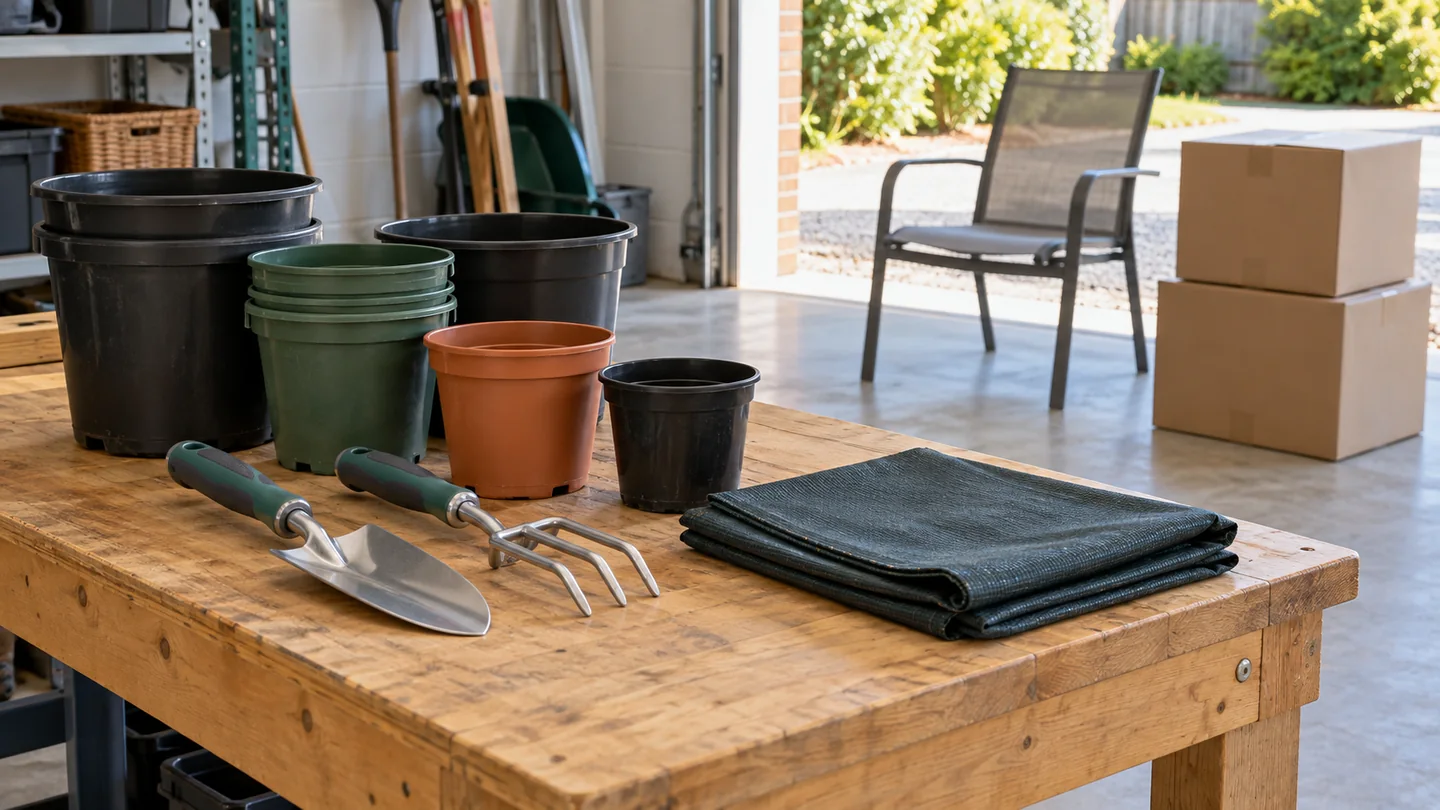
Coordinate the personal effects declaration with your removalists
Use the current Biosecurity Tasmania forms page to find the declaration for unaccompanied personal effects transported by a removalist. A different form applies when you transport the goods yourself. Confirm the correct process for your arrangement before collection.
The current removalist form separates owner and transport information. The owner answers the contents questions and signs the declaration; the removalist section records consignment and journey details. It states that the completed declaration must be emailed to Biosecurity Tasmania at least 24 hours before arrival. Check the current form and agree who will lodge it.
A declaration records the goods; it does not permit prohibited goods to enter. Answer the actual questions accurately, including relevant equipment that has been cleaned. Keep a copy and tell the removalists if the contents or journey details change after the document is prepared.
Keep the paperwork and load aligned
- Use one current household inventory, with outdoor and specialist items clearly identified.
- Confirm the collection address, Tasmanian delivery address and working contact details.
- Agree which transport details the removalists will provide and who will send the completed form.
- Keep any separate permits or item-specific advice with the declaration records.
- Review added or removed belongings before the final load is collected.
If settlement or your moving dates change, use the interstate booking-date change checklist to update the moving brief. Ask whether the declaration or other documents also need updating. The household owner and transport coordinator should be working from the same revised information.
Label cartons and organise a practical collection handover
Number the cartons and connect relevant boxes to the inventory. A label such as “garage tools — carton 14” is easier to explain than several boxes all marked “miscellaneous”. Describe contents accurately; a room label alone may not tell the removalists which goods need particular attention.
Before packing, discuss how goods that may need inspection should be presented. Ask the removalists about suitable packing and access to the relevant items. Do not assume that a sealed or shrink-wrapped load will avoid inspection, or that photos replace an official check.
Keep clean equipment protected during the wait for collection. If there is a storage stage, include it in the moving brief and agree the handling sequence. Our packing for storage guide helps organise labels and retrieval needs; confirm the storage arrangement separately from the biosecurity requirements.
For delicate belongings travelling in the same household load, selected fragile-item packing assistance can be discussed as a separate service scope. For the overall journey, the Bass Strait moving guide explains the wider interstate planning considerations.
A useful final handover covers the current inventory, declared categories, documents, contact person and anything awaiting clarification. For your move to Tasmania, provide this information alongside the furniture list, dates and access details so the requested transport and packing work can be assessed together.
Moving to Tasmania biosecurity questions
What should I check before packing household goods for Tasmania?
Identify outdoor equipment and goods with specific entry requirements before sealing cartons. Use the current Biosecurity Tasmania guidance for the actual items, prepare the household inventory and coordinate the appropriate declaration. Keep uncertain belongings separate while you obtain advice, and tell the removalists what needs particular attention.
Can I take ordinary pot plants when moving to Tasmania?
Check the current plant import requirements before including them in the removal load. Conditions can depend on the plant and its origin, and documentation or other requirements may apply. Cleaning a pot does not establish that the plant or growing material is permitted. Ask Biosecurity Tasmania about the specific plant.
Which personal effects declaration applies to a removalist move?
Use the current Biosecurity Tasmania forms page to select the declaration for unaccompanied personal effects transported by a removalist. The self-transport form is different. Confirm the process, provide accurate contents information and agree with the removalists who will lodge the completed document.
When must the removalist personal effects declaration be sent?
The current removalist form says the completed declaration must be emailed to Biosecurity Tasmania at least 24 hours before arrival. Check the latest form and confirm responsibility for lodgement. This deadline should not be substituted for any separate item-specific permit or plant import requirement.
Will every household item need the same inspection arrangement?
Requirements depend on the goods. Some categories have specific declaration or inspection requirements, including fishing and diving equipment in the official equipment guide. Discuss how relevant goods should be presented and follow official instructions. Do not assume that sealed cartons or photographs replace an inspection.
Does cleaning an item mean it is approved for Tasmania?
No. Preparation and permission to import are separate questions. Check the current requirements for the actual item, clean and dry equipment as directed, and declare the contents accurately. A removal booking, packing service or completed declaration does not make prohibited goods acceptable for entry.
Plan your Tasmania household move with a clear inventory
Send your collection and delivery addresses, preferred dates, household inventory and packing needs. Identify outdoor equipment and goods requiring official checks so the moving plan can be discussed with the relevant details available.
Next: work through your complete Tasmania moving checklist or update a booking when moving dates change.