
Decluttering before moving to Tasmania is not just about making the house look tidier before the truck arrives. It is one of the easiest ways to reduce moving costs to Tasmania, make packing more manageable, and avoid paying to carry things you do not even want once you get there. The longer the move, the more expensive indecision becomes.
A lot of people wait until the last week and then try to decide everything at once. That is when they end up boxing worn-out furniture, duplicate kitchen gear, random garage clutter, and “maybe useful one day” items that have already survived three previous clean-outs. A better approach is simple: decide what to take when moving to Tasmania, what to store before moving to Tasmania, and what not to take to Tasmania before the packing properly starts. If you are still sorting the bigger move, start with moving to Tasmania and keep the planning practical from the start.
Why decluttering matters more before moving to Tasmania
A mainland move to Tasmania puts more pressure on every decision about volume. More furniture means more labour, more wrapping, more carton space, more loading time, and more to coordinate at the other end. That is why decluttering before moving to Tasmania matters more than it does for a short local move. When the transport is longer and the logistics are tighter, every extra item has a cost attached to it somewhere.
This is not about stripping your household down to a mattress and a frying pan. It is about being honest. If something is broken, cheap, rarely used, hard to fit, or unlikely to suit the next property, it should not get an automatic ticket onto the truck. Smart downsizing for Tasmania relocations is not ruthless for the sake of it. It is just a cleaner way to match the load to the move you are actually making.
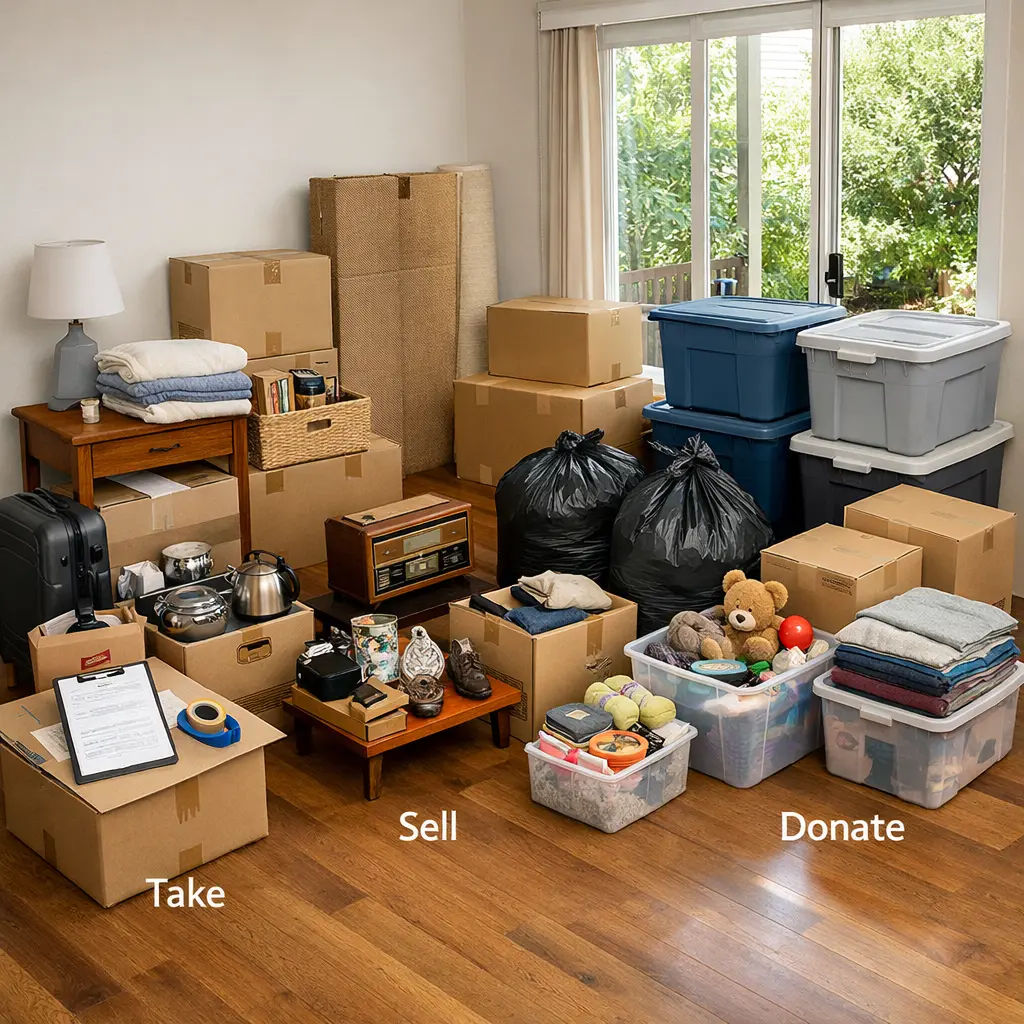
A good declutter checklist for Tasmania usually starts with the obvious waste: damaged flat-pack furniture, expired pantry items, duplicate kitchenware, old toys, dead electronics, garage junk, and bulky pieces you have been “meaning to replace” for years. Once those go, the rest of the decisions become easier. That is one of the most practical ways of moving to Tasmania with less stuff and less stress.
What to sell, donate or store before a Tasmania move
The cleanest system is to sort items into four groups: take, sell, donate, or store. Selling furniture before moving to Tasmania makes sense when the item still has value but no longer suits the next place. Donating items before a Tasmania move makes sense when the item is usable but not worth the time and effort of listing, storing, or transporting. Storage makes sense when you genuinely want the item but do not want it arriving straight away, or you are unsure whether it fits the new property.
Tasmania move and store ideas are especially useful when the new home is smaller, access is limited, or settlement timing is messy. If that sounds familiar, look at storage in Tasmania and move-and-store packages before forcing everything into one delivery. Storage is often a better option than unloading things you are only going to get rid of a week later.
If the move is shrinking quickly once you strip out the non-essentials, compare the load with small load removalists in Tasmania. A small load move to Tasmania can be a much better fit once the clutter is gone and the household is down to what actually matters.
Which furniture is worth taking to Tasmania
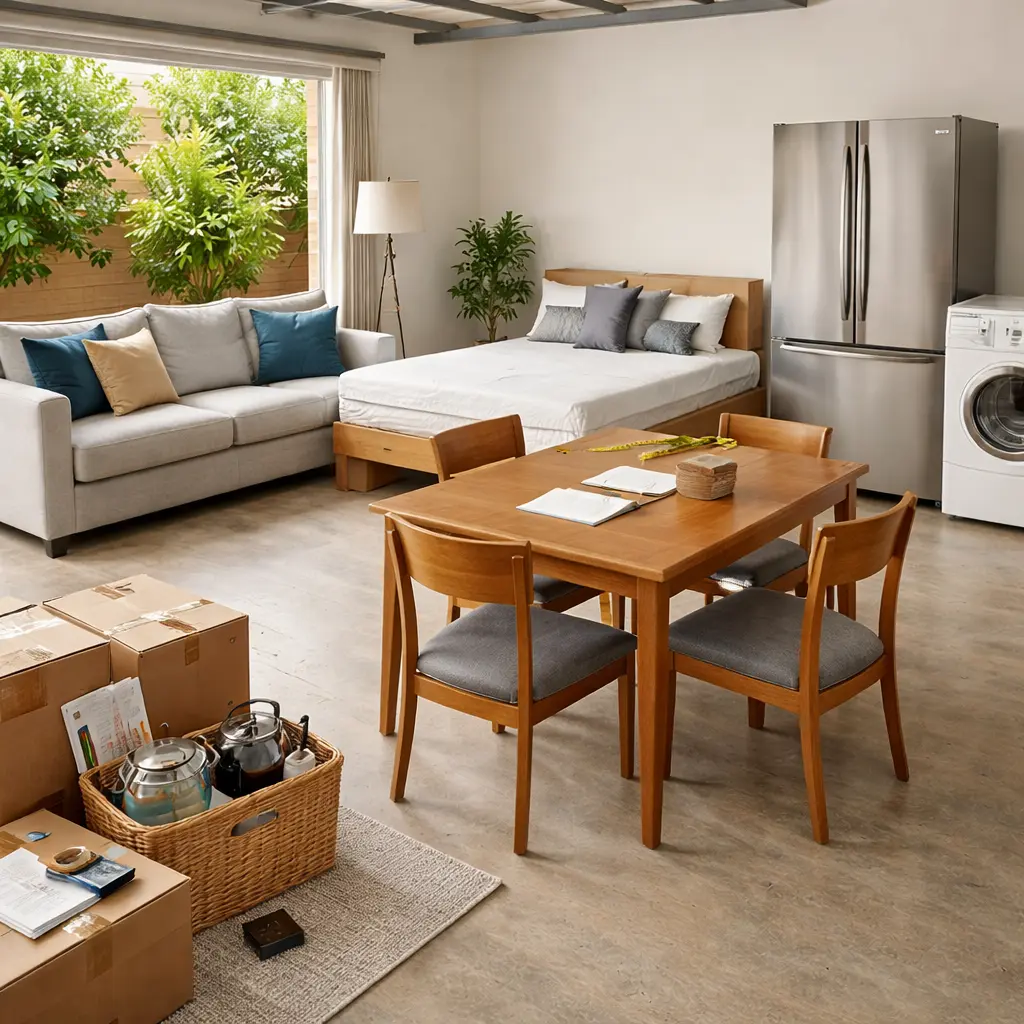
The best test for choosing furniture for a Tasmania move is not whether the item once cost a lot. It is whether it still earns its place. Good solid furniture, quality dining pieces, comfortable beds, useful white goods, and items that actually suit the next stage of life are usually worth moving. Cheap furniture that is already bowing, flaking, wobbling, or due for replacement often is not.
Think in terms of fit, condition, and replacement logic. Will the sofa physically suit the next property? Will the oversized dining table work if you are moving into a smaller home? Are the spare wardrobes, broken outdoor settings, or unused shelving actually worth the volume they take up? Deciding what to move to Tasmania gets easier when you stop treating every item like a sentimental hostage.
This is also where the financial side matters. If an item is expensive to move, hard to place, and not especially good, it may be smarter to sell it now and replace it later. If you need the cost logic behind that decision, compare your furniture list with cost of moving to Tasmania. Sometimes the best savings come from removing two or three bulky, low-value pieces rather than attacking every cupboard in the house.
Preparing household goods for Tasmania should be deliberate. Take the furniture that makes sense for the next home, not the furniture that happens to be standing in the current one.
What not to pack for a Tasmania relocation
One of the quickest ways to slow a move down is to pack things that should never have gone in the load. What not to pack for Tasmania removals usually includes flammable liquids, chemicals, gas bottles, some cleaning agents, paint, fuels, and other restricted or unsafe items. These are not grey-area “maybe” items. They are the sort of things that should be identified before packing starts.
Instead of guessing, check what not to pack for removalists before the final pack-up. It will save you from the classic last-minute scramble where someone suddenly realises half the garage cannot travel as packed. That guide is also useful when you are separating real essentials from stuff that is technically movable but plainly not worth taking.
This is where efficient packing for Tasmania relocation begins. You do not pack more efficiently by packing faster. You pack more efficiently by removing the wrong items before they ever get wrapped, labelled, or carried to the truck.
How Tasmania home sizes and access affect what you keep
The next property should influence what survives the declutter. A lot of people make decisions based on the old house rather than the new one, which is how they end up dragging oversized furniture into smaller rooms and then wondering why the place feels cramped. Tasmania home sizes, layouts, stair access, driveways, and storage space all change what makes sense to keep.
If you are moving into a unit, a compact home, or a property with difficult access, it may be smarter to keep the household tighter. Bulky furniture, extra fridges, oversized entertainment units, and “we might use it outdoors one day” pieces can become a nuisance very quickly. Preparing a lighter load for Tasmania is often less about being minimalist and more about being realistic about room sizes and access.
This is one reason it helps to compare your decluttering plans with choosing where to live in Tasmania and moving to Tasmania via Bass Strait. The destination affects how the delivery works, and the property affects what is worth delivering in the first place.

How to build a Tasmania essentials list before loading day
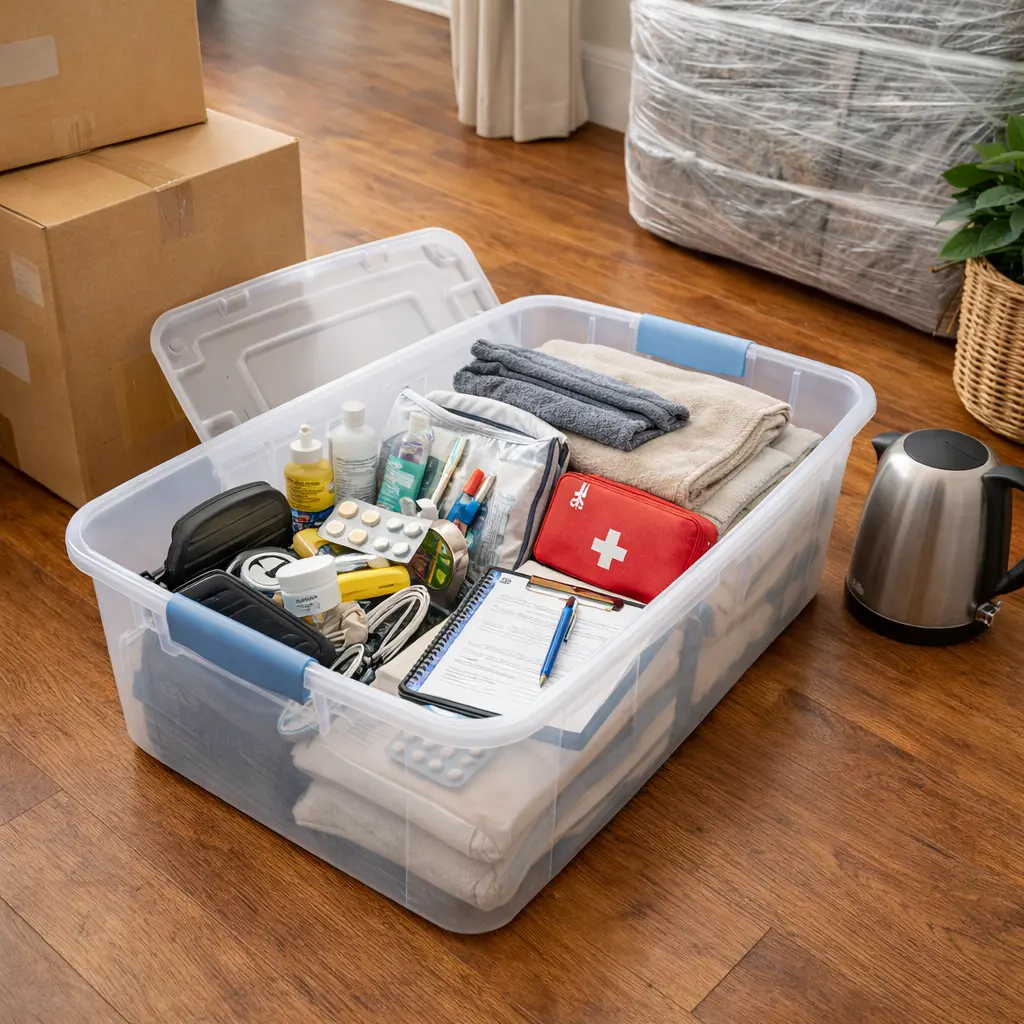
Once the main declutter is done, build a Tasmania moving essentials list that stays out of the general load. This is the group of items you will need immediately, not eventually. Medication, chargers, important documents, toiletries, cleaning basics, kettle or coffee supplies, towels, a few kitchen items, bedding, pet gear, and a small set of everyday clothes should all be separated before loading day, not hunted for afterwards.
The essentials list matters because the first night is never the time to open every carton and start improvising. A good essentials box gives the move a soft landing. It is also one of the easiest parts of the broader moving to Tasmania checklist and makes the final days far more organised.
If packing still feels like a mess even after the declutter, it may be worth using pre-pack and unpack services in Tasmania and checking the packing materials guide. Good materials and proper packing help once the clutter is gone. They do not solve clutter by themselves.
The blunt truth is this: downsizing before a Tasmania move pays off most when it is done early, done honestly, and tied to the life you are moving into. Keep the furniture and household goods that support the next chapter. Sell, store, donate, or leave behind the rest. If you are still comparing service options once the load is clearer, review choosing a removalist for Tasmania. It is much easier to choose the right move when the clutter is no longer making the decisions for you.
Plan your move to TasmaniaDecluttering Before Moving to Tasmania FAQs
Check entry requirements before deciding what will travel
Use the Tasmania household biosecurity checklist while sorting garden equipment, outdoor gear, plants and pantry goods. Check the current requirements for the actual belongings before committing them to the removal load, then update the inventory and carton count to reflect your decisions.