Car Transport Handover in Tasmania: Collection and Delivery Checklist
Organise a clear vehicle handover before collection and at delivery. Record the car’s condition, confirm keys and contacts, and agree practical access arrangements with the transport coordinator.
Tasmania vehicle transport preparation · Reviewed 1 October 2026
A useful car transport handover starts before collection
When arranging car transport in Tasmania, a clear handover helps everyone work from the same information. The collection address, operating condition, keys and person releasing the vehicle all matter. At delivery, the receiving person needs the booking details and the collection record so they can check the car carefully.
This guide covers those practical handover steps. For service enquiries and route planning, start with our Tasmania and mainland vehicle transport page. Confirm availability for your actual route and vehicle before organising a collection. The instructions and conditions supplied for your booking should guide the final preparation.
Confirm the booking
Check the vehicle, collection point, delivery arrangement and people involved. Raise access or operating issues before handover day.
Record the condition
Keep clear dated photographs and written notes. Use them alongside the agreed collection inspection and paperwork.
Prepare the receiver
Share the current booking reference and condition record. Confirm keys, contact details and the delivery checking process.
Car transport collection checklist for Tasmania
Put the handover information in one short booking note. It should describe the vehicle being collected, where the coordinator can reach you and anything that may affect access or handling. Update this note if the car or collection arrangement changes.
On a small screen, scroll sideways to read all three columns.
| Handover item | What to prepare | What to confirm |
|---|---|---|
| Vehicle identity | Make, model, registration details and booking reference. | The booking describes the actual vehicle, including relevant modifications. |
| Collection contact | Name, working phone number and availability. | Who may release the car and what authorisation is needed. |
| Condition record | Overall photos, existing marks and operating notes. | How the collection inspection and paperwork will be completed. |
| Keys and operation | The agreed key, alarm or starting instructions. | What the transport team needs to move the vehicle safely. |
| Access | Driveway, street, gate and meeting-point information. | A suitable collection location under the booked arrangement. |
| Delivery | Receiving person, address and contact number. | The delivery process, expected communication and vehicle checking opportunity. |
For an interstate house move with a separately arranged vehicle, keep the car booking distinct from the furniture inventory. Tell each coordinator about timing dependencies rather than assuming the car and household goods will arrive together. Our interstate removalists Tasmania page explains the wider household service enquiry.
Take useful vehicle condition photos before pickup
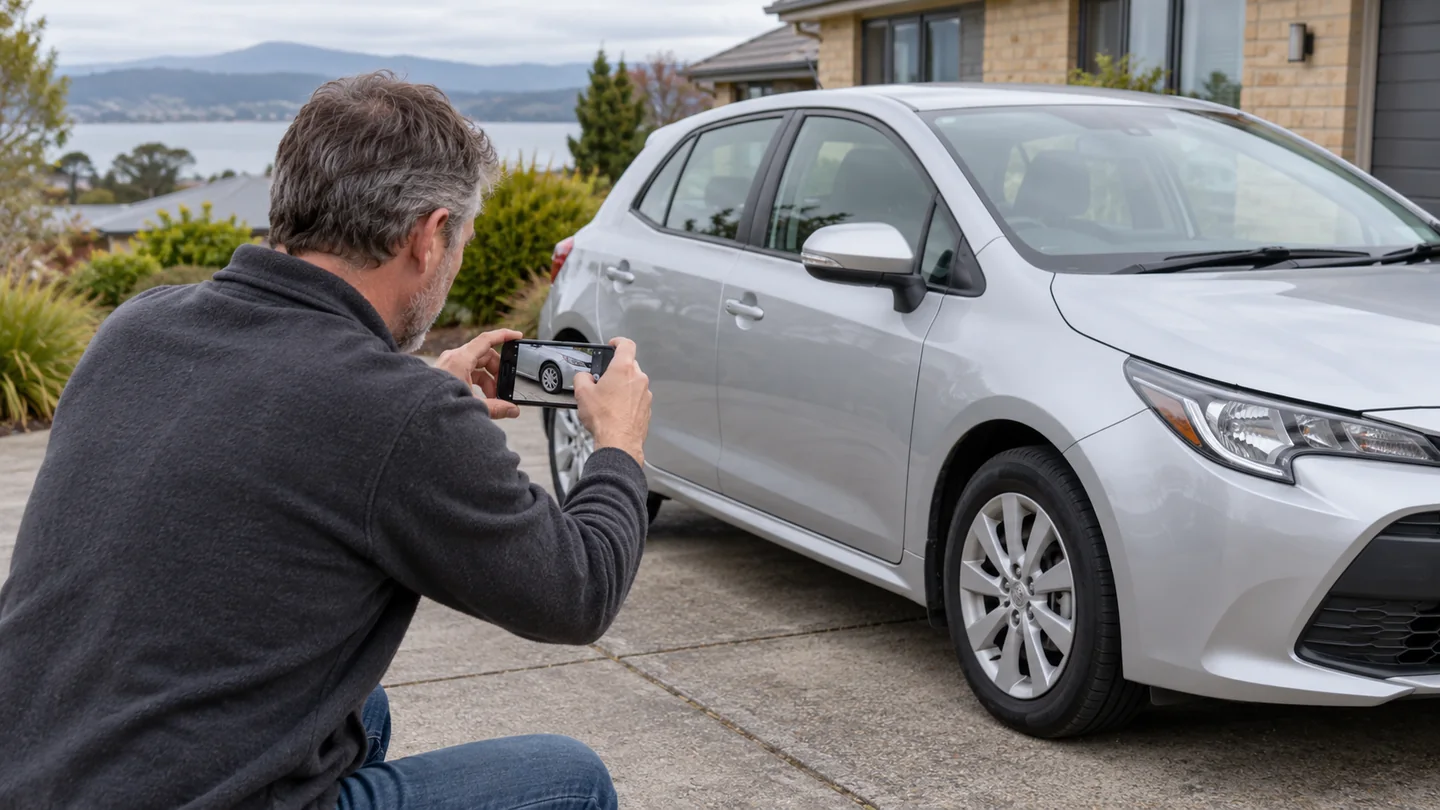
Clean the car enough for its condition to be visible, then take photographs in a safe, well-lit location. Keep wide views showing the front, rear and both sides, followed by closer views of existing scratches, dents or other marks. Avoid relying on a single photo taken in a dark garage.
Include wheels and other areas covered by the agreed inspection. A close-up is more useful when a second photograph shows where that mark is on the vehicle. For example, pair a photograph of a rear bumper scuff with a wider rear view. Describe the location clearly in your notes.
Keep the photographs connected to the booking
- Retain the original image files and record when you took them.
- Use a folder named with the vehicle and booking reference.
- Write a short list of existing marks and known operating issues.
- Note removable accessories or separate items accepted under the booking.
- Keep a copy accessible to the person receiving the vehicle.
The photographs support your records; they do not replace the transport provider’s condition inspection or establish what a contract covers. Ask how the collection record will be supplied and how concerns should be raised. Review the quote comparison guide for a practical way to compare written scope and conditions.
If the car is repaired, used or marked after the photographs are taken, refresh the relevant records before collection. An old photo folder can create confusion when the vehicle’s condition has changed. Keep the final record with the confirmed handover details.
Prepare keys, contents and operating information
Ask which keys are required and how they will be handed over. Separate the agreed vehicle key from house keys and personal key rings. If the car has a particular starting sequence, immobiliser or alarm arrangement, provide the relevant operating instructions through the agreed contact process.
Report a flat battery, starting fault, unusual braking issue, lowered suspension or other condition that could affect loading. Do this before collection rather than hoping it can be resolved at the meeting point. The coordinator needs to assess the actual vehicle and explain any changes to the transport arrangement.
Check the booking instructions for fuel level, electric-vehicle charge and accessories. These requirements vary with the vehicle and transport service, so there is no useful universal percentage to apply here. Explain roof racks, added equipment or modifications when requesting car transport to or from Tasmania.
Do not use the car as extra household packing space without written agreement. Confirm permitted contents and exclusions, remove personal essentials and keep important documents with you. If furniture or cartons need their own arrangement, update the household volume and inventory list so those goods are accounted for.
A simple key record can state what was supplied, to whom and at which handover. Keep the spare key accessible to the appropriate person rather than buried in a removal carton. Agree how any accepted separate accessories will be identified and returned.
Confirm collection access and the person releasing the car
Describe the collection location accurately. A steep driveway, narrow street, locked gate or restricted parking area can affect the meeting arrangement. Provide helpful location photographs where requested and ask the coordinator to confirm a suitable collection point. Do not assume a household driveway will suit the booked transport vehicle.
If the car is at a dealership, workshop or another person’s property, confirm who may release it and what documents or identification are needed. Give that person the coordinator’s details, booking reference and agreed key arrangement. Check opening hours and the vehicle’s readiness before collection is scheduled.
Keep your phone available during the agreed collection period. Ask how updates will be communicated and what to do if you cannot attend. If a friend or relative will complete the handover, seek confirmation of the authorisation process before treating that arrangement as accepted.
For a household move in the same period, review our moving access guide for the furniture crew’s requirements as well. Vehicle collection and a removal truck may need different arrangements. Explain both activities so the driveway or building access plan is workable.
If dates, addresses or contacts change, use the interstate booking change checklist to prepare a revised brief. Ask for the confirmed replacement details in writing, including which earlier instructions have been superseded.
Check vehicle biosecurity when entering Tasmania
For a vehicle entering Tasmania, follow the current Biosecurity Tasmania vehicle requirements. The official guide requires vehicles to be clean and free of soil, seeds, plant material, insects and other debris. Check underneath, wheel arches, trays and floor mats, as well as visible surfaces.
The official vehicle category also requires declaration and inspection. Agree the applicable process with the coordinator; a wash, transport booking or photograph does not establish entry clearance. This is a Tasmania-entry check. If the car is leaving Tasmania, check the destination’s requirements separately.
Vehicles and household personal effects have different official guidance. Use our household biosecurity checklist for the furniture load and keep the vehicle’s documents identifiable. Include any preparation still outstanding in the collection conversation.
Organise the car transport delivery handover
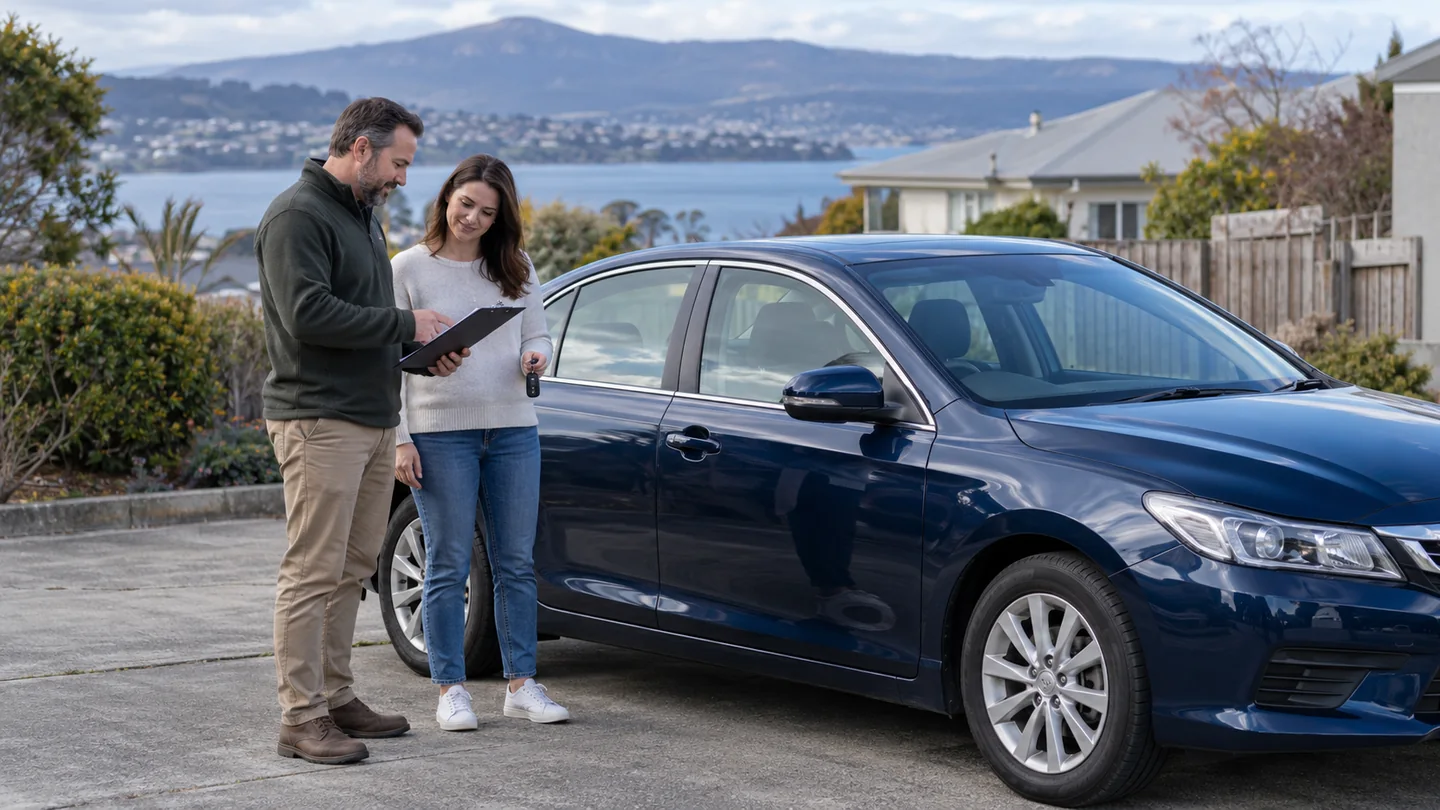
Confirm the delivery contact before the vehicle leaves. The receiving person should know the agreed location, communication process and how to obtain the collection record. A relative receiving the car needs more than the address: provide the booking reference, contact number and the condition notes.
At delivery, use a safe location and follow the coordinator’s instructions while the vehicle is being positioned. Check the car when access is available, compare it with the collection record and account for the agreed keys and accessories. Avoid distractions that make the handover difficult to complete carefully.
Ask how the delivery record is completed and how any concern should be noted. If something needs attention, identify the location, take clear photographs and contact the coordinator promptly under the booking process. Retain your copies of the collection and delivery documents.
If you intend to drive from the handover point, check registration and any relevant permit requirements with the appropriate authority. A transport booking does not itself authorise driving. Transport Tasmania’s interstate registration guidance is a useful starting point for a Tasmanian registration question.
Keep vehicle delivery separate from household arrival assumptions
A car transport delivery and an interstate furniture delivery may involve different bookings and timing. Build your arrival plans around the arrangements actually confirmed, including who will receive each load. Tell the coordinators about limited availability before a final delivery location is agreed.
If you are moving to Tasmania or moving from Tasmania, keep travel essentials, house keys and contact records with you. Our Tasmania moving checklist helps organise the wider arrival tasks without tying them to an unconfirmed vehicle arrival.
Prepare household appliances separately using the fridge and washing machine moving guide. The final handover note for each service should show the current addresses, contact people and preparation status, so neither booking relies on an outdated household plan.
Car transport handover questions
What should I have ready when my car is collected for transport?
Have the confirmed booking reference, agreed keys, a current condition record and the collection contact ready. Check the vehicle preparation instructions and the agreed meeting point. Tell the coordinator about operating faults, access restrictions or a person collecting on your behalf before the handover.
Which photos are useful before interstate car transport?
Take clear overall views from each side and close-ups of existing marks, wheels and other agreed inspection areas. Keep the original files with the date, booking reference and your written notes. Photos support a condition record; they do not replace the carrier’s inspection or the process in your booking terms.
Can someone else release or receive my vehicle?
Ask the transport coordinator what authorisation and identification are required for your booking. Provide that person’s name and contact details in advance, arrange the keys and explain the agreed condition check. Do not assume a relative, dealer or neighbour can release the vehicle without confirmation.
Can I leave household belongings in the car during transport?
Confirm the actual booking conditions before putting anything in the vehicle. Do not treat the car as extra furniture or carton space. Ask about permitted contents, accessories and exclusions, and arrange household belongings separately if they are not accepted. Keep personal essentials and documents with you.
What if collection or delivery details change after booking?
Contact the coordinator with the booking reference, revised address or date, access information and available contact person. Ask for the updated arrangement in writing. A requested change needs confirmation; it does not automatically alter a booked collection window or establish that a different location is suitable.
What should I do if I notice a concern at car transport delivery?
Compare the car with your collection record in a safe place and identify the specific concern. Photograph it, ask how it should be recorded on the handover paperwork and contact the coordinator promptly using the process in your booking terms. Keep copies of the records and correspondence.
Discuss your Tasmania car transport requirements
Provide the vehicle make and model, collection and delivery locations, preferred dates, operating condition and access details. Explain any household moving dependencies so the proposed arrangement can be assessed with a clear brief.
Next: review Tasmania vehicle transport options or prepare large household appliances.