Furniture storage during home renovations in Tasmania
Clear space for the work, protect the belongings you are keeping, and plan their return around rooms that are ready.
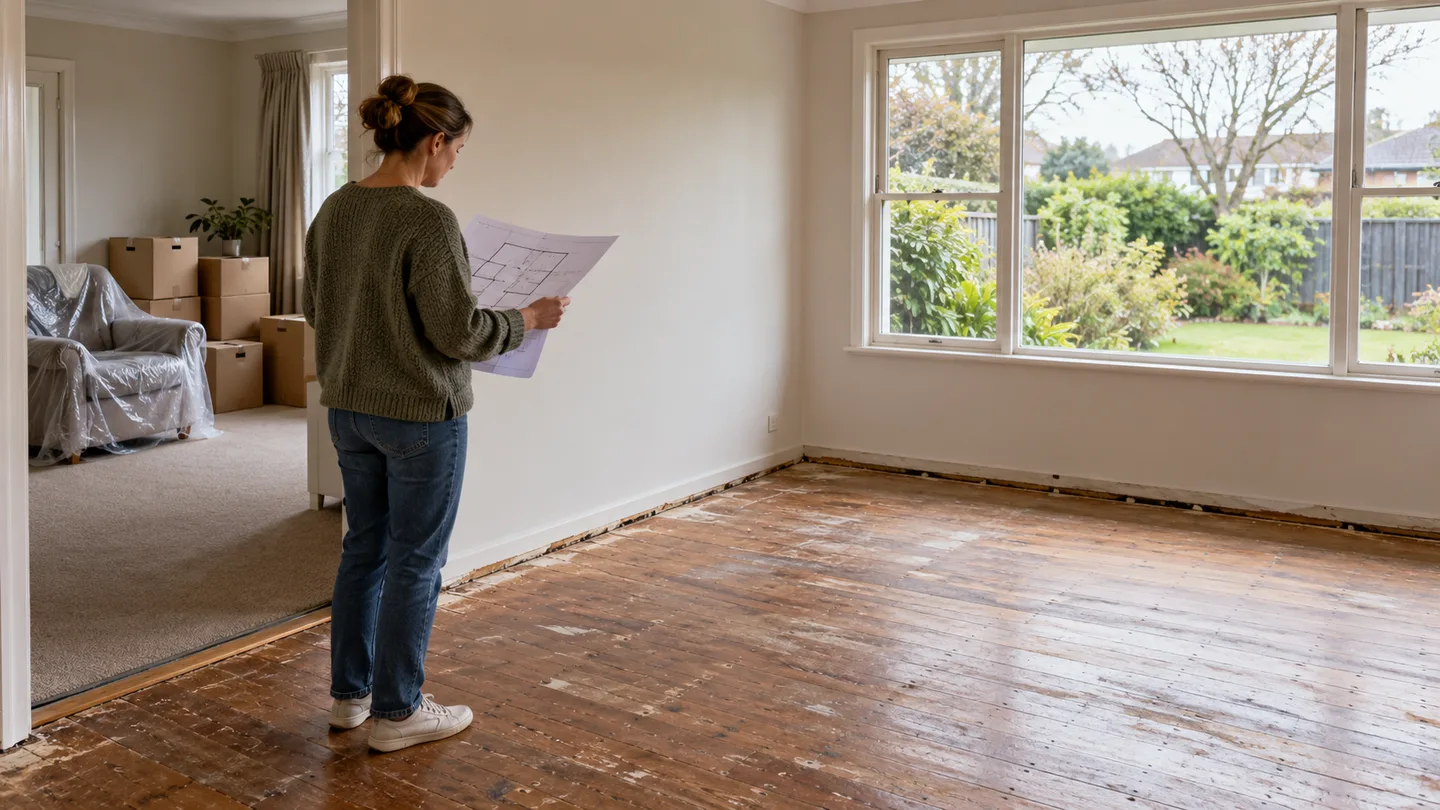
Plan furniture storage around the renovation work
Renovation furniture storage works best when collection, the building work and the furniture return are planned together. Moving a sofa out is only one part of making a room usable for trades.
Tas Removals & Storage can discuss furniture storage during renovations alongside packing, furniture removals and later delivery. Tell us which rooms need clearing, the belongings you want to retain and the parts of the handling you would like help with. A room-by-room brief makes a Tasmania renovation storage enquiry much easier to assess.
Launceston renovation storage may involve one room of furniture, several bedrooms or most of a household. Separate what must leave from the things you still need each day. Temporary furniture storage can free a work area, but it should also preserve a workable routine for the people staying in the home.
Our move and store Tasmania service guide explains the service foundation. This page helps you connect that arrangement to flooring, painting, refurbishment and the order in which the rooms become ready again.
Build a room clearance and retained-items list
Start with room clearance before trades rather than a rough count of boxes. List each large item, its current room, its intended return room and whether it is leaving for the whole project. Bedroom furniture storage might include a bed frame, bedside units and a chest of drawers; dining furniture storage could include a table, chairs and a cabinet with separately packed contents.
For moving furniture for flooring, ask the contractor which spaces and access routes must be empty and when. A room can be clear while the hall remains obstructed. Make sure the path from each item to the collection point is included in the furniture clearance plan.
Keep a furniture inventory for renovations with photographs and identifying numbers. Record existing marks, loose joints and removable parts. Use the furniture volume guide to describe the load and the Launceston storage size guide for the space questions. Volume alone does not show whether pieces can be stacked or handled safely.
- Stays at home: daily clothing, medicines, documents, keys and basic kitchen items.
- Leaves until completion: furniture and cartons from the work areas.
- Returns first: belongings needed for the first usable bedroom or living area.
- Needs discussion: bulky, delicate or unusual items and anything requiring specialist preparation.
Prepare furniture before renovation collection
Packing before renovations should happen while there is still clean working space. Dust protection for furniture is useful, but a cover is not a substitute for moving belongings away from active work, moisture or other unsuitable conditions. Prepare clean, dry items and discuss the protection suited to their surfaces and the expected storage duration.
When storing a sofa during renovations, record its overall dimensions and any detachable parts. Do not assume furniture can be dismantled simply because access is tight. Photograph the piece and explain the route so handling can be assessed. Safe Work Australia's manual-task guidance explains why load, posture, movement and the environment all matter.
Choose packing materials for storage according to the belongings. Carton labelling for storage should show the room, contents and priority for return. Keep component bags associated with their furniture and record them on the inventory. Ask Tas Removals & Storage about furniture protection and packing help as part of the enquiry.
The packing for storage guide explains preparation in greater detail. If you need help with only selected breakables, the fragile-only packing guide can help describe that scope.
Choose collection and loading responsibilities
Furniture collection for storage needs the address, inventory and access details. Renovation access planning should include the trades' vehicles, skip placement, temporary fencing, stairs and any change to the normal entry. Tell the team if the usual driveway will be unavailable on collection day.
For container storage for renovations, explain the proposed placement area and the approach to it. The Launceston container storage overview describes the existing service. Property suitability, delivery and loading arrangements need assessment before a container is booked.
Self-loading during renovations can involve arranging your own labour, materials and transport. Removalist-assisted storage can include agreed packing, collection or handling work. Compare responsibilities using our self-storage and managed-storage comparison, rather than treating every storage label as the same service.
Agree storage collection dates with enough room to prepare the belongings and complete the clearance before the contractor needs access. Explain which date is fixed and which is an estimate. Safe furniture clearance depends on the actual items and route; it is better to have difficult pieces assessed than to improvise on the morning work begins.

Manage renovation dates and storage changes
Short-term renovation storage can become a longer booking if the work is delayed. Record the expected start, the anticipated completion and the point at which you will know the final return date. Renovation completion dates should come from the people controlling the project, with uncertainty clearly explained to the storage team.
Delayed renovation storage affects more than the number of weeks. An extension may alter the storage end date, return scheduling and the quote for handling or delivery. If you need to change storage duration, contact the team before the original arrangement ends and ask for the revised scope in writing.
Use the storage extension and booking-end checklist for storage duration changes. Check your actual agreement and the ACCC's contract information if you need help understanding the written terms. This guide does not set a standard notice period or cancellation policy for your booking.
A useful example is a two-room flooring project where one room becomes ready first. Ask whether the first return can be assessed separately, which items you want in it and what remains stored. Do not treat staged collection or redelivery as automatically included in the original storage rate.
Arrange staged return to rooms that are ready
Staged furniture return begins with an item list. Identify the bed, seating or table needed first, the remaining cartons and the destination for each. Storage redelivery after renovations should follow confirmed room readiness, including the contractor's instructions about finished surfaces and access.
Furniture return access may differ from the original route. A new door, flooring transition, fitted cupboard or changed driveway can affect the job. Send fresh photographs when the route has changed, and confirm whether the agreed delivery includes room placement after renovations or any furniture reassembly.
Priority room setup helps you decide what comes back together. A bedroom return is more useful when its frame, mattress, hardware and bedding essentials can be identified. Keep a simple return order on the inventory and discuss the handling needed to reach those items.
Our storage access and redelivery guide provides a detailed return brief. Before final delivery, clear the agreed route and have an authorised contact available. Check the items against the inventory and record any concerns promptly rather than discovering missing components after the team has left.
Send a renovation storage quote brief
For a renovation storage quote, give Tas Removals & Storage the collection suburb, rooms being cleared, furniture list, carton estimate and photographs. Include the likely storage period, packing assistance, loading responsibilities and the intended return sequence.
Check storage quote inclusions for collection, materials, storage, handling and redelivery. Ask how storage handling charges would be assessed if the dates or the return load change. The furniture storage costs guide and ACCC price-display information help frame the total-cost questions.
Your Tas Removals renovation enquiry can be practical and brief: “We are clearing the dining and living rooms for flooring, keeping a bedroom in use and hoping to return the dining furniture first.” Add the addresses and dates, then let the team assess the service scope. For furniture storage Tasmania enquiries, confirm the proposed arrangement and availability before relying on it in the renovation schedule.
Questions about this service
Can furniture storage help during a renovation?
It can provide a place for belongings while rooms are being cleared, subject to a suitable arrangement. Identify the furniture, duration, collection work and return sequence. Tas Removals & Storage can discuss these details alongside packing and removal assistance.
Should I clear the whole home or only the work rooms?
Use the contractor’s access requirements to decide. Include hallways and the furniture collection route, not just the room being renovated. Keep daily essentials accessible and identify any belongings that may need to return before the project is finished.
Can I store a sofa and dining furniture together?
Send a combined inventory, dimensions and photographs so the load can be assessed. Packing, protection, usable space and handling requirements depend on the actual pieces. A volume estimate is a starting point rather than a guarantee of fit or price.
What happens if the renovation is delayed?
Contact the storage team with the booking details, revised estimate and what remains uncertain. Ask about an extension, billing, availability and changed return work. Keep written confirmation of the revised arrangement rather than assuming the original end date can simply be ignored.
Can the furniture come back in stages?
Ask for the proposed staged return to be assessed. List the first items, their destination and the remaining inventory. Retrieval, additional handling and separate delivery trips may affect scope and cost, and must be confirmed for the booking.
What should I send with a renovation storage enquiry?
Include collection and return addresses, the rooms being cleared, a furniture and carton inventory, access photographs, dates and the help you need. Identify priority return items and whether the final delivery depends on contractor confirmation.
Discuss your plan with Tas Removals & Storage
Turn your moving plan into a useful enquiry
Send the item list, addresses, dates and access details with the tasks you would like help with. Tas Removals & Storage can assess the proposed work and discuss a service scope that reflects your belongings and practical priorities.
Prefer email? Send your brief and photographs to info@tasfurnituretransport.com.au. Confirm the assessed scope and booking before coordinating other appointments around it.