Unpacking services in Tasmania
Get everyday kitchenware, bedding and the belongings you need first out of the cartons. Plan unpacking help around the rooms and tasks that matter to your household.
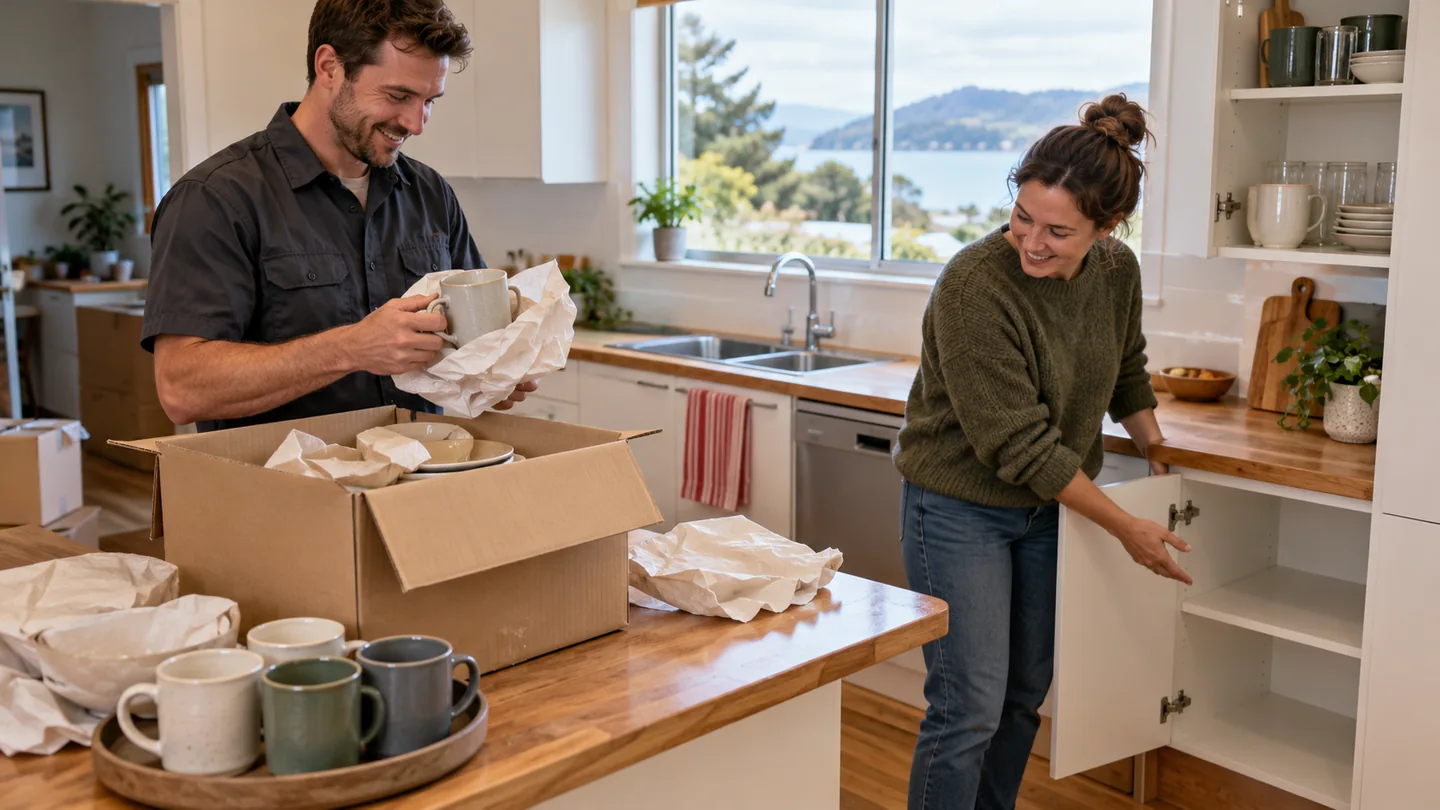
Make the rooms you need first ready to use
Getting the furniture through the door is a big step. Finding mugs, bedding and work clothes among the cartons is the next one. Unpacking help lets you focus on the rooms and belongings you want accessible first, instead of trying to finish the whole home at once.
Tas Removals & Storage offers unpacking services in Tasmania as part of an agreed moving plan. Tell us which cartons need attention, where their contents should go and when the home will be available. The starting point might be the kitchen and bedrooms, selected fragile items or a wider household unpacking request.
Our packing and unpacking services in Tasmania cover the broader service enquiry. This page helps you plan the work after delivery, including room priorities, useful labels, placement decisions and what to do with empty packaging.
The first meal
Choose everyday crockery, mugs, utensils and the kitchen items you want available after the move.
The first night
Identify bedding, towels, clothing and the cartons for the bedrooms and bathroom you will use.
The first working day
Keep work essentials with you and name any home-office cartons that need early attention.
Tell us what “unpacked” means to you
Opening a carton and placing its contents on a bench is a different job from arranging every cupboard. A useful unpacking enquiry names the outcome you want. For example: “Open the kitchen cartons and place the crockery on the cleared bench”, or “Put the everyday dishes into the cupboards I have marked”.
Discuss the requested tasks before booking. Detailed home organisation, furniture assembly, appliance installation, cleaning and packaging removal each need their own agreement. The quote should make it easy to see which work has been included.
On a small screen, swipe or scroll sideways to read every column.
| Requested task | Your instructions | What needs checking |
|---|---|---|
| Open selected cartons | Name carton numbers or contents groups and the rooms to prioritise. | Which cartons are included and suitable surfaces for their contents. |
| Place everyday items | Identify the cupboards, drawers or shelves you want used. | Whether putting items away is included and who can make placement decisions. |
| Prepare bedroom essentials | Point out bedding, clothing and towels needed first. | The requested unpacking tasks and whether beds or wardrobes are already ready. |
| Gather empty packaging | Nominate an area for cartons, paper and other wrapping. | What gathering, collection or removal of packaging the booking covers. |
| Leave some cartons packed | Identify archive boxes, seasonal items and goods awaiting another delivery. | Which cartons stay closed and where they can remain safely. |
If you have packed the home yourself, mention that in the enquiry. Ask whether unpacking assistance can be arranged for your locations and dates, and describe what is in the cartons. Professionally packed goods and self-packed boxes should both remain connected to your item list.
The ACCC's guidance on service agreements is useful when checking the terms. Keep your accepted quote and the agreed unpacking tasks together so everyone works from the same instructions.
Choose a realistic finish point for the first visit
Start with how the household will use the home that evening and the next morning. A clear kitchen bench, the right bedroom cartons and access to bathroom essentials may matter more than opening the books and decorative pieces. You can request priority-room unpacking while leaving less urgent goods packed.
For kitchen unpacking, identify the everyday plates, glasses, mugs and utensils before the occasional serving dishes. Clear the receiving surfaces and decide where the first-use items belong. If the kitchen layout is still being worked out, ask for contents to be placed on a suitable surface so you can choose cupboard positions afterwards.
For bedroom unpacking, explain whose cartons go to each room and which linen or clothing is needed first. Bed assembly and unpacking a bedding carton are separate tasks. If furniture needs to be made ready, use our furniture dismantling and reassembly guide to describe that work alongside the move.
For a home office, name the stationery and desk-content cartons you want opened. Keep sensitive documents and work devices under your own instructions, and arrange technical setup with the responsible person. The IT relocation checklist can help with that separate preparation.
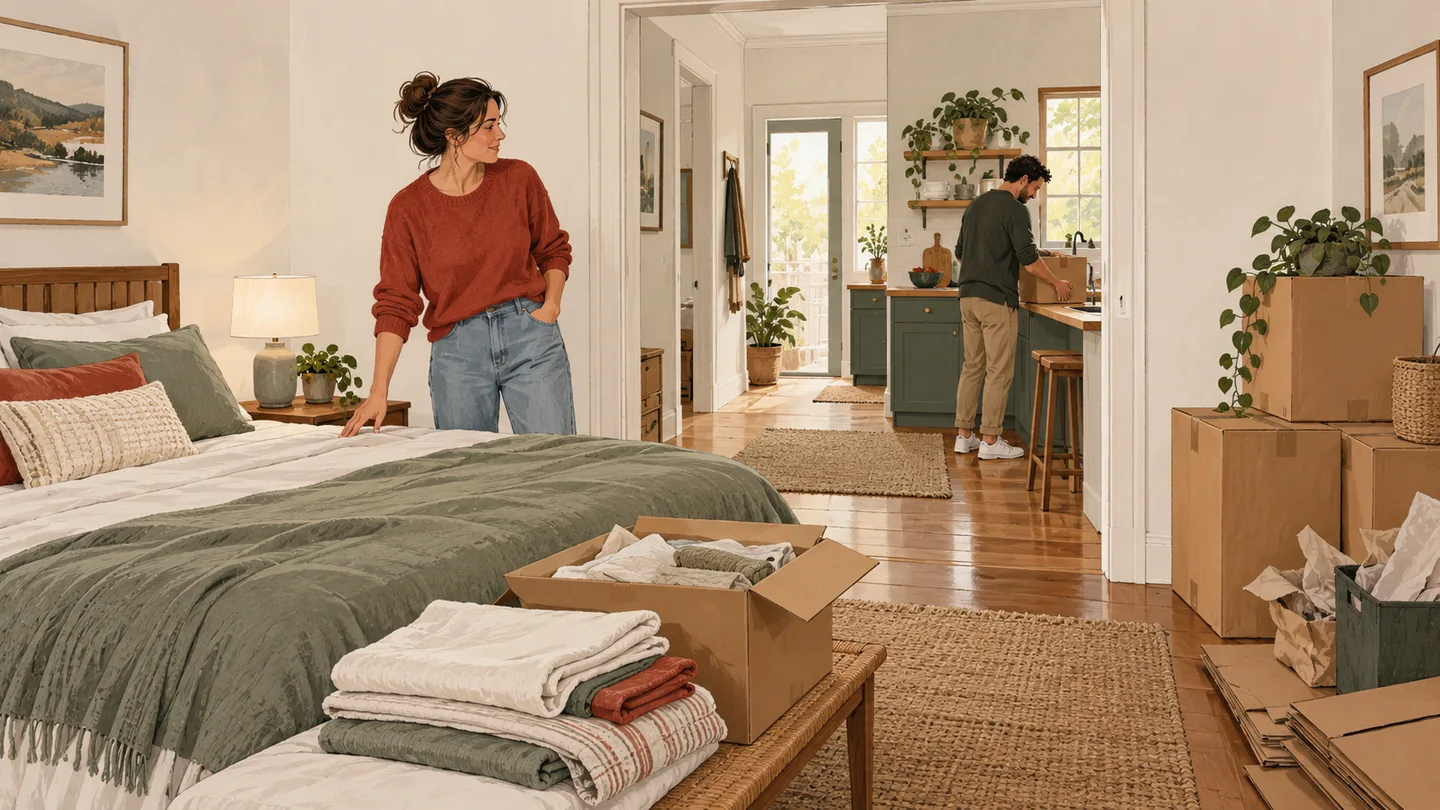
Connect unpacking to the delivery you have booked
Give the furniture delivery details and the date the new property can be accessed. Ask whether unpacking will happen after unloading or needs a separate visit. The removal team may still be carrying furniture through the home, so the work areas and timing need to fit together.
For an interstate move, your flight or ferry booking is separate from the furniture delivery window. Arrange the receiving person and unpacking appointment around the confirmed household booking. Our interstate furniture delivery-day guide helps you prepare the address, keys and handover.
If you are staying in a furnished rental first, unpack only what that address needs. A larger household load may go into storage before final delivery. Use our Tasmania move and store options to discuss that stage, then request unpacking for the address where the belongings will actually be used.
Tell the team promptly if keys, delivery dates or the receiving address change. Update the unpacking visit too, rather than assuming it will follow automatically. The interstate moving-date change guide sets out the wider information to provide.
Prepare clear surfaces, room labels and a decision-maker
Before the visit, check that cupboards and benches are ready to receive contents. Arrange any cleaning you want completed before items are put away. Leave enough clear space to open a carton and handle its contents without covering a walkway or the route still needed for furniture delivery.
Use consistent room names on carton labels and at the doors. “Front bedroom — Alex” is more useful than “bedroom” when there are several rooms. Our box labelling and inventory guide helps organise the cartons before the truck reaches the new address.
Have one person available to answer placement questions, or provide simple written instructions for the agreed rooms. Tell the team which cupboards, boxes and personal belongings should remain untouched. If someone is attending for you, make sure they know the priorities and can contact you when a decision is needed.
Unpacking still involves handling cartons and working around furniture. WorkSafe Tasmania's hazardous manual tasks guidance explains the need to manage handling risks. Keep access clear and ask the team about heavy or awkward cartons rather than repeatedly shifting them yourself to make room.
Keep the item check connected to the carton list
Mark cartons off your inventory as they arrive and as the agreed contents are unpacked. If a box is being left closed, note where it is stored. That simple record helps you find an item later without reopening every carton in the spare room.
For fragile cartons, allow room to handle each piece and inspect it as the wrapping is removed. Check packing paper before it goes into the packaging pile: small lids, utensils or fittings can be easily overlooked. If you notice a concern, keep the relevant carton and wrapping, record what you can see and contact the team promptly under the booking's process.
If only some belongings were professionally packed, identify both groups in the item list. Our selected fragile-item packing guide explains that handover. Tell us about unusually delicate pieces and any existing damage or special handling instructions before the unpacking work starts.
You can also plan ahead with our kitchen packing services guide. Keeping first-use kitchen items identifiable at collection makes the destination priorities much easier to describe.
Decide what will happen to empty boxes and wrapping
Nominate a clear area for used paper, empty cartons and other wrapping before unpacking begins. Keep it away from doors and walking routes. Check whether the quote includes gathering materials, taking them away or neither; cardboard removal should be requested as a specific task.
If you are retaining suitable cartons for another move, keep them dry and store them out of the way. Where recycling is appropriate, Planet Ark's cardboard recycling guide recommends clean, dry, flattened boxes with other packaging removed. Its directory can help locate a recycler for a larger quantity of moving boxes.
Check your council's current requirements for paper, plastic wrapping, foam and other materials. They do not all belong in the same recycling stream. Ask about access and any building rules if packaging will be collected from an apartment or shared property.
Example: a kitchen and two bedrooms before the working week
Imagine a household moving to a Launceston home with twenty cartons, but wanting unpacking help for only eight first-use boxes. The priorities are everyday kitchenware, bedding and clothing for two bedrooms. Books, ornaments and archive boxes can stay packed. This is an illustrative example, not a customer case study.
The enquiry identifies the eight cartons, the delivery window and the rooms to use. The household has cleared the kitchen bench, marked the receiving cupboards and arranged any bed assembly separately. One person is available to direct placement, and used paper is gathered in an agreed area.
The finish point is practical: the selected contents have been unpacked in the agreed rooms, and the household knows which cartons still need attention. It gives the quote a clear task list without expecting every part of the home to be organised in the same visit.
Request an unpacking quote for your Tasmania move
Send Tas Removals & Storage the destination suburb, delivery details, preferred unpacking date and approximate carton count. Name the priority rooms and say whether you want contents placed on clear surfaces or further placement into identified cupboards. Include stairs, lift bookings, parking and any packaging removal request.
Unpacking costs depend on the number and type of cartons, fragile contents, access, the placement requested and any additional tasks. Opening selected boxes and organising an entire home involve different amounts of work. Ask how the service is priced, what is included and how extra work would be agreed.
For Hobart packing and unpacking help or Launceston unpacking services, provide the actual receiving address and dates. For Devonport, Burnie and regional Tasmania enquiries, start with the suburb and priorities so availability can be discussed.
You do not have to decide where every ornament will go before making an enquiry. Tell us which rooms you need working first and what help would make the arrival easier. Request an unpacking quote or call 03 6343 4698.
Questions about unpacking services in Tasmania
What do unpacking services include?
The agreed service can focus on selected cartons or priority rooms. Explain whether you want contents placed on clear surfaces or selected items put away. Detailed organisation, furniture assembly, appliance installation, cleaning and packaging removal should be requested and agreed separately.
Can I request help for only the kitchen and bedrooms?
Name the rooms, carton numbers and contents you want prioritised. Identify everyday kitchenware, linen and clothing needed first, and the cartons staying closed. Tas Removals & Storage can discuss the requested work and available timing with your moving enquiry.
Can unpacking help be discussed if I packed the boxes myself?
Mention that you packed the cartons yourself and describe their contents, number and condition. Ask whether assistance can be arranged for your location and dates. Flag fragile or unusual items and keep the carton list connected to your delivery inventory.
Does unpacking happen on the furniture delivery day?
Ask whether the work can follow unloading or needs a separate visit. Provide the booked delivery window, property access and requested unpacking tasks. Interstate furniture timing should be checked separately from your own flight or ferry arrival.
Do I need to be there during unpacking?
Have a person available to direct placement or provide clear instructions for the agreed rooms. If someone attends for you, they should know the priorities and what must remain untouched. Discuss any attendance requirements when booking.
Does unpacking include taking away empty cartons?
Check the particular quote. Gathering wrapping in one area, flattening cartons and removing packaging are different tasks. Ask what can be included, and check local recycling requirements for any materials you will handle yourself.
What should I prepare before the unpacking visit?
Arrange keys and access, clear receiving surfaces, identify destination rooms and list priority cartons. Have cupboards ready before items go in, keep walking routes usable and set aside personal documents, valuables and work essentials under your own instructions.
How much does unpacking cost?
The price depends on the carton count, contents, fragile handling, access and the placement or additional tasks requested. Opening selected boxes and organising a whole home involve different work. Ask for clear inclusions and how extra work would be approved and priced.
Make your new home easier to settle into
Tell Tas Removals & Storage which rooms you need working first, what is in the cartons and when the property will be ready. We can discuss the unpacking tasks alongside your moving plan.
Prefer email? Send your item list and photographs to info@tasfurnituretransport.com.au.
Useful services and moving guides
Packing and unpacking services
Connect preparation, transport and destination tasks.
Kitchen packing services
Keep the first-use kitchen items easy to identify.
Furniture delivery day
Prepare keys, access and the receiving contact.
Prepared for Tas Removals & Storage, 14 October 2026. Official resources linked in this guide were checked during preparation.