Multi-address furniture removals in Tasmania
Connect every collection item to its destination, contact and access requirements before asking for a multi-stop assessment.
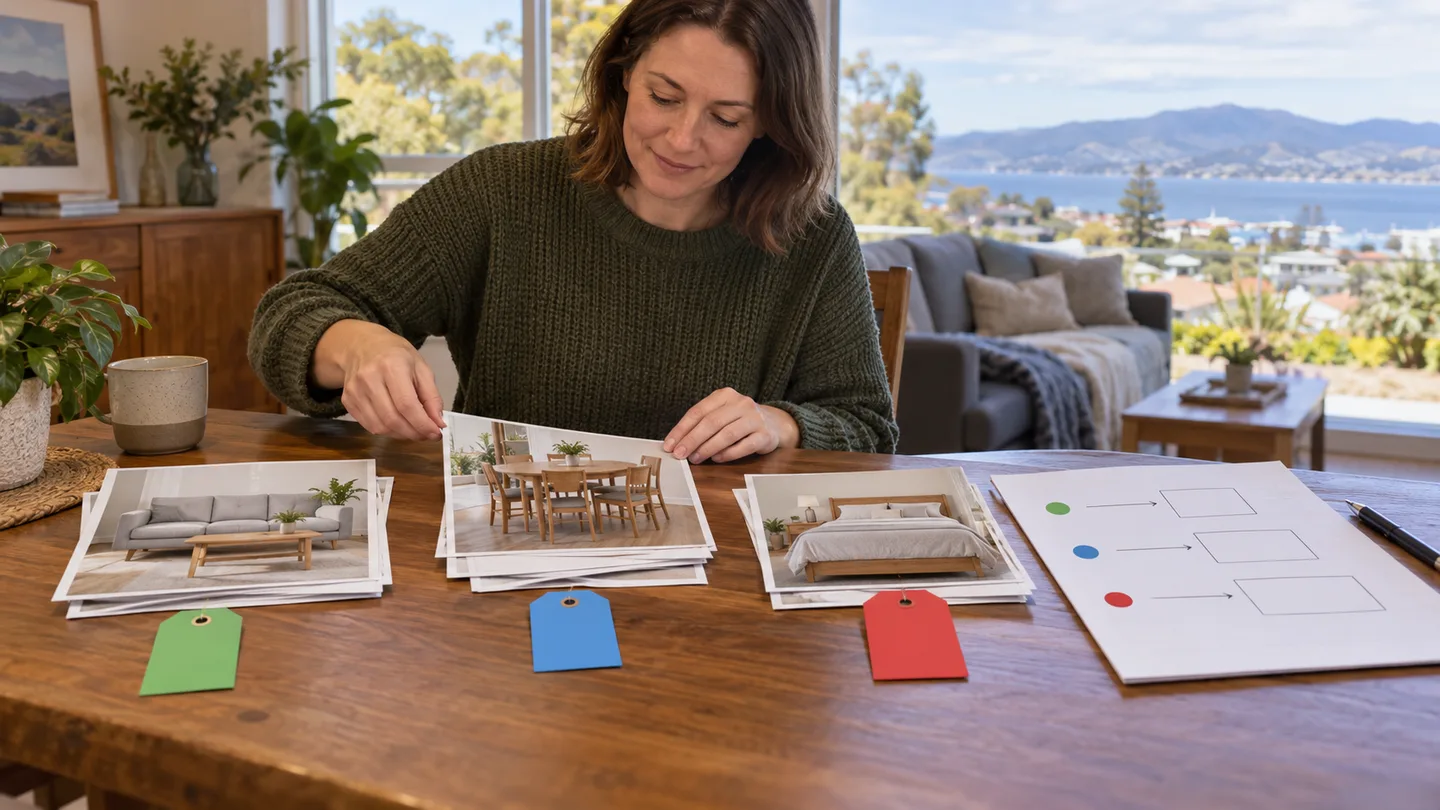
Describe every address in the furniture move
Multi-address furniture removals need a clear connection between the belongings, the collection stops and the delivery destinations. An extra address is part of the job, not just a note on the day.
Tas Removals & Storage can assess a multiple pickup furniture move or multiple delivery furniture move alongside its furniture services. Explain the complete requested journey, including any furniture storage stop, so routing and handling can be considered together.
Tasmania furniture collection stops may involve a home, a family member's property and a purchased piece. Household furniture distribution might send some belongings to a new home, others to family and a retained load into storage. Each stop needs its own item list and authorised contact.
The home moving services overview provides the service pathway. This guide helps prepare a specific multi-address moving checklist. Availability, routing and the proposed scope need assessment before a sequence or date is confirmed.
Create a stop-by-stop furniture inventory
Give each item an identifier and record its starting address and final destination. A stop-by-stop furniture inventory should include furniture, appliances, cartons and separately packed components. List items by stop as well as by room so the load can be described without ambiguity.
Furniture split delivery needs consistent destination labels. Inventory ownership labels are useful where several people are involved, but ownership and destination are separate fields. An item belonging to one family member may be delivered to another address; record both clearly.
For separately labelled furniture, keep tags and component records associated with the correct piece. Carton destination labels should remain readable and consistent with the written list. The labelling and inventory guide helps organise the records.
| Field | Useful detail |
|---|---|
| Identifier | One item number used on the list, label and photograph. |
| Collection | Address, person releasing the goods and access constraints. |
| Destination | Receiving address, room and contact. |
| Preparation | Dimensions, protection, components and agreed packing responsibility. |
| Timing | Fixed appointments, usable windows and uncertain dates. |
Plan family, downsizing and purchase stops
Downsizing multiple destinations can involve retained furniture, gifts to family and stored belongings. Decide what is actually moving before requesting the quote. Avoid adding items to another person's delivery pile without updating the inventory and confirming that they can receive them.
Furniture delivery to family needs the recipient's agreement, access and contact details. A relative's garage is not automatically a usable delivery point; check the intended placement, available space and any time restriction.
A purchased furniture collection stop needs seller authority and a confirmed item description. Use the second-hand furniture collection guide for measurements, condition records and seller coordination. Tell the team if the purchase is still uncertain.
A move-and-store collection should identify which goods go into storage and which continue to an immediate delivery. The move-and-store service guide explains the enquiry foundation. Storage and onward delivery require their own duration, handling and return details rather than a generic “drop the rest off somewhere” instruction.
Check access and authority at every stop
Collection authority at each stop should identify who may release the goods and what the team needs to confirm before attendance. Delivery contacts per address should know the incoming items and intended placement. Keep the phone numbers current and nominate one person to coordinate changes.
Pickup time restrictions can come from the seller, a household, a building manager or the available access. Record parking at multiple addresses, stairs at each property, gates, long carries and lift or loading-area appointments. One difficult route can affect the whole requested sequence.
Use the furniture access measurement guide for bulky pieces. A bulky furniture stop assessment needs dimensions and photographs at that specific property, even if the other addresses have easy access.
Safe Work Australia's manual-task guidance is an official reference for handling risk. Keep each collection and receiving route clear and avoid arranging improvised loading by people who cannot safely handle the item.

Ask for the complete route and quote to be assessed
Route assessment for removals considers the requested stops, load, access and time limits. A customer-preferred order is useful information, but the team should confirm the assessed arrangement. Do not assume that adding a nearby address has no effect on handling or timing.
An additional stop quote should include the extra collection address or extra delivery address, the items affected and any preparation work. Multiple-stop labour scope can include more loading, unloading, carrying and coordination than a one-address move.
Check extra handling charges and other cost components in the full written quote. The ACCC's price-display guidance helps you compare the complete service. Its contract information supports checking the agreed scope and change process.
For local furniture transport Tasmania enquiries, include every address from the start. An interstate multi-address request also needs the origin and destination route and any storage stage. A small-load move can still have complex access and several contacts, so load size alone does not describe the work.
Keep split destinations and later changes clear
Packing for split destinations should follow the item identifiers and destination names on the inventory. Separate components must go with their furniture unless another arrangement has been explicitly agreed. Keep essential belongings and important personal records with the person who needs them.
Changing a collection stop can affect the agreed route, timing and cost. Tell the team promptly and supply the revised address, access and contact. Additional address written confirmation should be retained with the booking so everyone works from the latest scope.
At each stop, use a furniture handover record for that address to identify what left or arrived and any concern raised. Avoid mixing the inventory for the whole move with a record for only one recipient. Update the remaining list after each agreed stage.
If the move involves a rental property handover, keep cleaning and key deadlines visible in the route request. They may make one stop less flexible than another, even when the furniture load itself is ready early.
Send one coordinated multi-address enquiry
For a Hobart multi-address move, Launceston multi-stop removals, Devonport furniture pickup or Burnie furniture delivery, provide the exact addresses and complete stop list. Town names help describe the area but do not confirm a recurring route or an available collection slot.
Your Tas Removals multi-address enquiry should include the inventory, origin and destination for every item, photographs, access at every stop, contacts, authority, time restrictions and requested preparation work. Explain which stops are confirmed and which depend on a purchase or another person's agreement.
Tas Removals & Storage can assess the requested furniture move using that coordinated brief. A clear list reduces uncertainty about what is being collected, where it belongs and who can make decisions. Confirm the agreed route and inclusions before coordinating several households around the proposed date.
Questions about this service
Can I ask for furniture from several pickup addresses?
Provide a separate item list, address, contact, authority and access details for every stop. The team can assess the complete multi-address request. Routing, handling, scope and dates need confirmation before you coordinate the collections.
How do I label furniture going to different homes?
Use consistent item identifiers and destination names on the inventory and labels. Record the receiving address and contact separately from ownership. Keep components associated with their furniture so split deliveries do not separate the required parts.
Can a purchased item be added to my household move?
Send its confirmed description, dimensions, condition, seller details and access. An extra stop and load can change the work. Ask for the addition to be assessed and included in the confirmed scope before promising the seller a pickup time.
Does an extra address change the quote?
It can change travel, loading, unloading, carrying and coordination. Provide the complete details and ask for a revised scope and cost where needed. Do not assume a nearby stop is automatically included.
Can some furniture go to storage and the rest to a home?
Identify the two destinations and their item lists clearly. Include the storage duration and later return plan for the stored goods. Collection, handling, storage and onward delivery must be assessed and confirmed as part of the requested arrangement.
Who should coordinate a multi-address move?
Nominate one contact for changes and provide an authorised releasing or receiving person at every stop. Keep each person's item list, appointment and access requirements consistent with the latest written booking confirmation.
Discuss your plan with Tas Removals & Storage
Turn your moving plan into a useful enquiry
Send the item list, addresses, dates and access details with the tasks you would like help with. Tas Removals & Storage can assess the proposed work and discuss a service scope that reflects your belongings and practical priorities.
Prefer email? Send your brief and photographs to info@tasfurnituretransport.com.au. Confirm the assessed scope and booking before coordinating other appointments around it.