
The cost of moving to Tasmania usually comes down to four things: how much you are taking, how easy the pickup and delivery are, how flexible your dates are, and whether your move needs direct transport, backloading, or storage. That is why mainland to Tasmania moving costs can vary so much from one household to the next, even when two people are moving to the same city.
For selected pieces from Victoria, see small furniture loads between Melbourne and Tasmania to prepare a compact inventory. If the home is not chosen, our moving to Tasmania before a permanent address guide helps include storage handling and later delivery in the budget.
For some households, the goal is a simple and affordable Tasmania interstate move with flexible timing. For others, the priority is a dedicated service, tighter delivery coordination, or help bridging a settlement gap. If you are still mapping out the bigger move, it helps to read moving to Tasmania, work through a moving to Tasmania checklist, and use practical advice from the resources section. Once the planning is underway, the real question becomes simpler: what changes a Tasmania quote, and how do you compare it properly without paying for the wrong service.
What makes moving to Tasmania cost more or less
The biggest price driver is volume. A compact move with a bed, lounge, dining setting, cartons, and a few white goods is very different from a full family home with garage items, outdoor furniture, bulky tools, and extra storage needs. If you are trying to understand the cost of moving to Tasmania, start by being realistic about the load size rather than guessing low and hoping for the best.
Timing also matters. Flexible dates can open up better options, especially when shared space becomes available on existing routes. Fixed dates can still be arranged, but they often narrow the transport options. That changes the job from “fit me in where it makes sense” to “hold a specific slot for me,” which can affect moving company costs for Tasmania.
Destination makes a difference too. Moving to Hobart costs can differ from moving to Launceston costs or moving to Devonport costs because route planning, unloading access, and final delivery logistics are not identical. A move into a straightforward suburban home is generally easier to price than one going into a tight inner-area property, steep block, or difficult access location.
How Tasmania removalist quotes are usually calculated
A solid Tasmania removalist quote guide usually starts with cubic volume, labour, loading conditions, destination, and timing. Then it layers in the details that people often forget: long carries, stairs, awkward driveways, limited parking, storage requirements, fragile items, and whether the service is direct or shared. That is why Tasmania moving costs explained properly should never rely on one blanket number.
Good operators price the real job, not the fantasy version of it. If you only mention the lounge and forget the garage shelving, bikes, pot plants, spare fridge, or extra cartons, the quote will be off. The same thing happens when customers say “easy access” but the truck actually has to park far away and the crew ends up doing a long carry. Accurate quoting is not about making the move look expensive. It is about making the service fit the actual work involved.
If you want a more reliable starting point, look at the full range of services available and compare that with what your household genuinely needs. That gives you better Tasmania relocation quote tips than chasing the lowest number with the least detail behind it.

When Tasmania backloading can save money
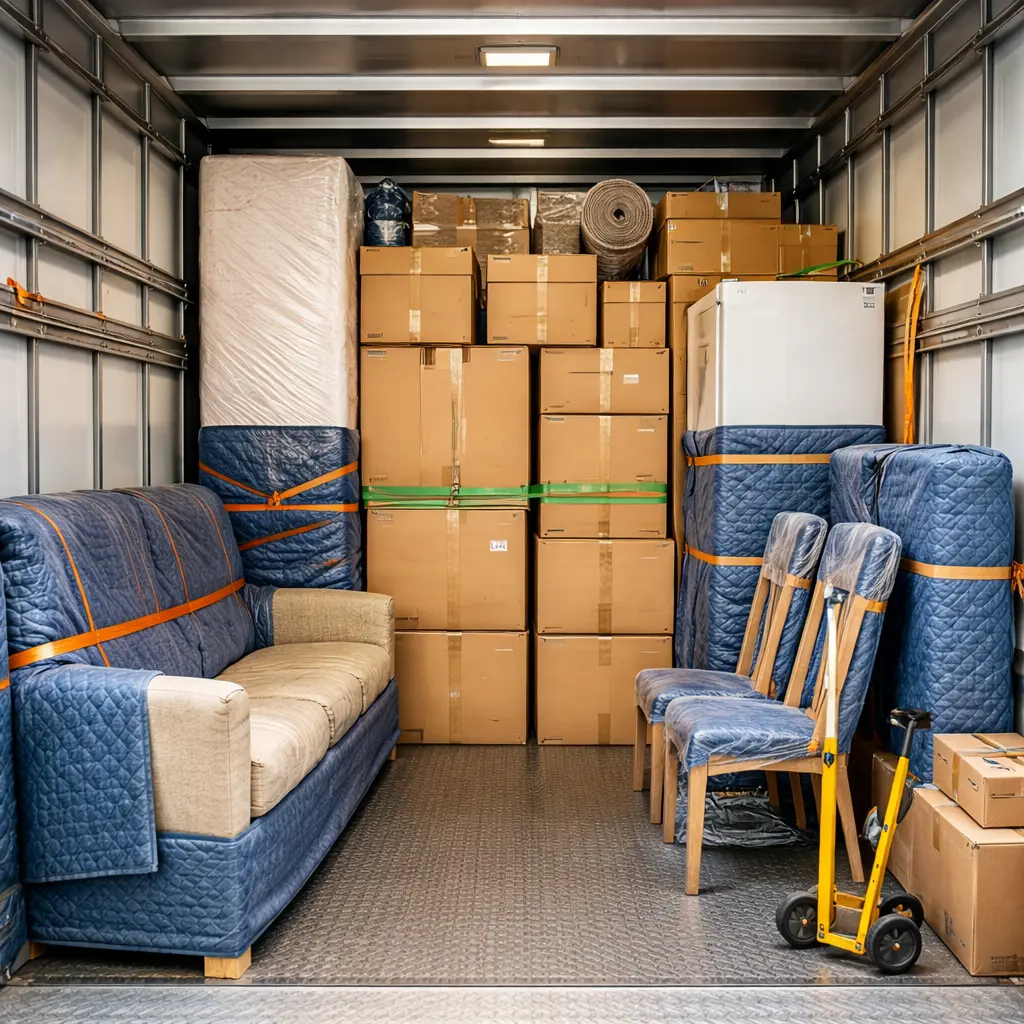
Tasmania backloading costs can be lower when your dates are flexible and your load fits well into a shared run. That is the simple version. The more practical version is this: backloading works best when the move does not need a tightly controlled departure or delivery date and when the size of the load makes shared truck space worthwhile.
For someone moving to Tasmania on a budget, backloading can be a smart option because you are using available space on a run that is already happening rather than paying for a truck schedule built purely around your move. It can suit smaller households, partial relocations, furniture-only moves, and customers who are happy to work within a broader timing window.
That does not mean backloading is always cheaper in a meaningful way. Dedicated load versus backloading to Tasmania depends on what matters most. If the job needs tighter coordination, faster turnaround, or more control around uplift and delivery, a direct service may offer better value even if the quote is higher on paper. Cheap is only useful when it suits the move you are actually making.
Anyone weighing that decision should read Tasmania backloading alongside decluttering before moving to Tasmania. Reducing the load size can sometimes do more for the budget than chasing a bargain quote on the wrong service model.
How storage changes the cost of moving to Tasmania
Storage changes the price because it adds another stage to the move. Instead of a straightforward pickup and delivery, the household goods are received, handled, held, and later redelivered. That can be the right move when settlement dates do not line up, a lease ends before the new property is ready, or you want your furniture held while you finalise where you are living.
Storage costs for Tasmania moves are not just about warehouse space. They are also about handling time, inventory control, and the extra coordination involved in moving goods twice instead of once. Used properly, storage can stop a rushed decision from becoming an expensive one later. Used carelessly, it can add cost where better planning would have removed the need altogether.
If your dates look messy, it is worth reviewing storage in Tasmania and the Bass Strait moving guide before locking anything in. Those two issues often overlap more than people expect.
Why your Tasmania access details affect the price
Access is one of the most overlooked Tasmania move price factors. Long drives with no turning room, steep blocks, apartment loading rules, narrow streets, stairs, gated complexes, and long carries from the truck all add time and labour. The crew may still complete the move smoothly, but it is not the same job as reversing into a flat suburban driveway and unloading ten metres from the front door.
This is where destination planning matters. A household heading into Hobart, Launceston, or Devonport may have very different delivery conditions depending on the exact suburb and property type. If you are still deciding where to settle, read choosing where to live in Tasmania along with the main destination pages for Hobart, Launceston, and Devonport. The location itself is only part of the quote. The property access is often what swings the workload.
Bass Strait moving cost factors also sit in the background here. The more complex the collection and delivery are on either side of the trip, the harder it is to keep everything efficient. Clear access information helps protect both timing and price.

How to compare Tasmania quotes without getting fooled
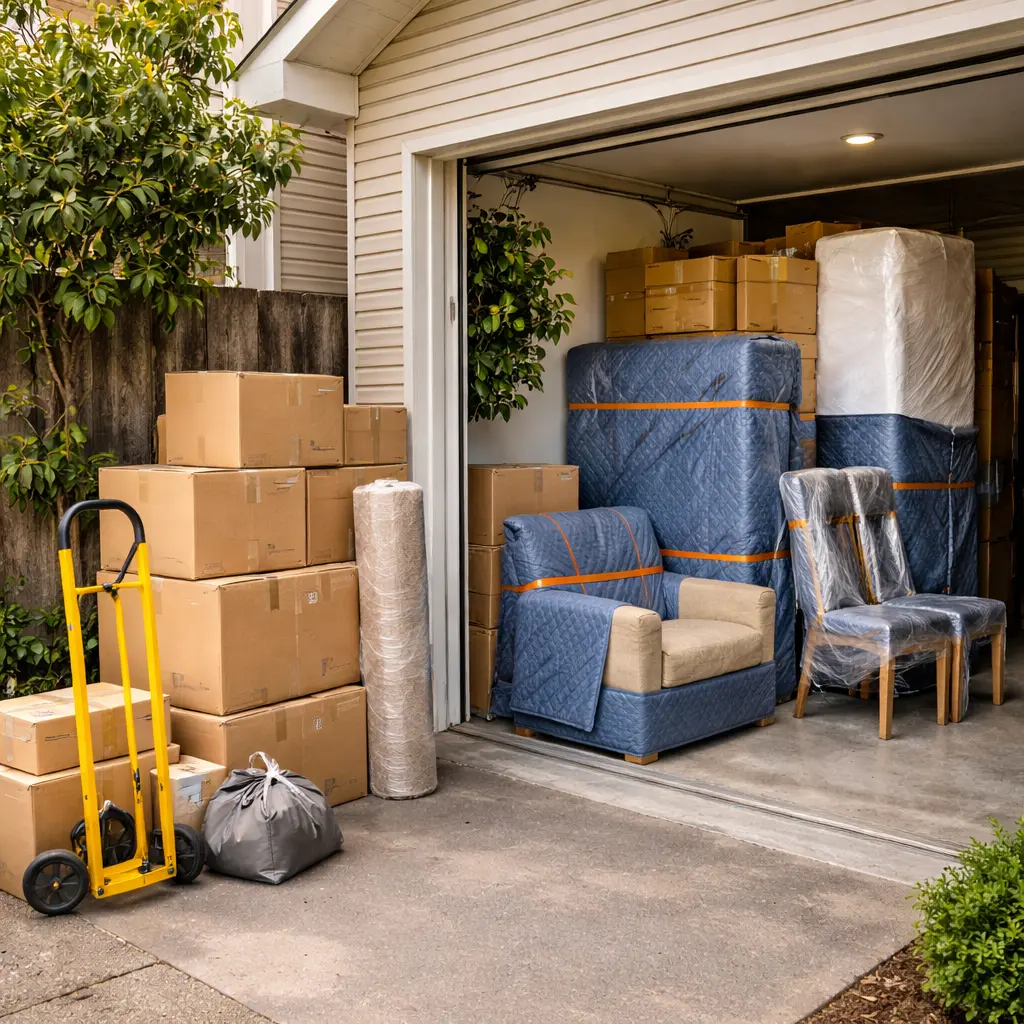
Comparing Tasmania moving quotes properly means looking past the bottom line. A lower figure can still end up costing more if it excludes storage, underestimates the load size, ignores difficult access, or leaves you with a vague delivery arrangement that does not suit your move. That is why a Tasmania removals pricing guide should always focus on inclusions, timing, and fit, not just dollars.
Start by asking what the quote is actually based on. Is it a full inventory or a rough guess? Does it allow for the access conditions at both ends? Does it assume flexible dates? Is it built around shared load availability or a dedicated truck space? Those questions tell you far more about how much it costs to move to Tasmania than a single headline number ever will.
Then check whether the operator has explained the service clearly. Good quotes spell out the logic. That is one reason it helps to review why hiring a removalist matters and to compare your options against choosing a removalist for Tasmania. The better the explanation, the easier it is to see whether you are paying for real value or just buying uncertainty with a discount sticker on it.
For households budgeting for a move to Tasmania, the smartest approach is usually to compare like for like: same load size, same access details, same timing expectations, and the same service type. That is how you get a clearer view of cost to move furniture to Tasmania and avoid being misled by quotes that look similar but are built on completely different assumptions.
If you want the budget side and the planning side to work together, combine this with the Tasmania checklist. It is much easier to keep costs sensible when the move is organised properly from the start.
Explore moving to Tasmania