Furniture storage before selling your Launceston home
Put surplus furniture into storage before photographs and inspections, while keeping the pieces you need for daily life. Plan collection now and the move to your next home when the dates are clearer.
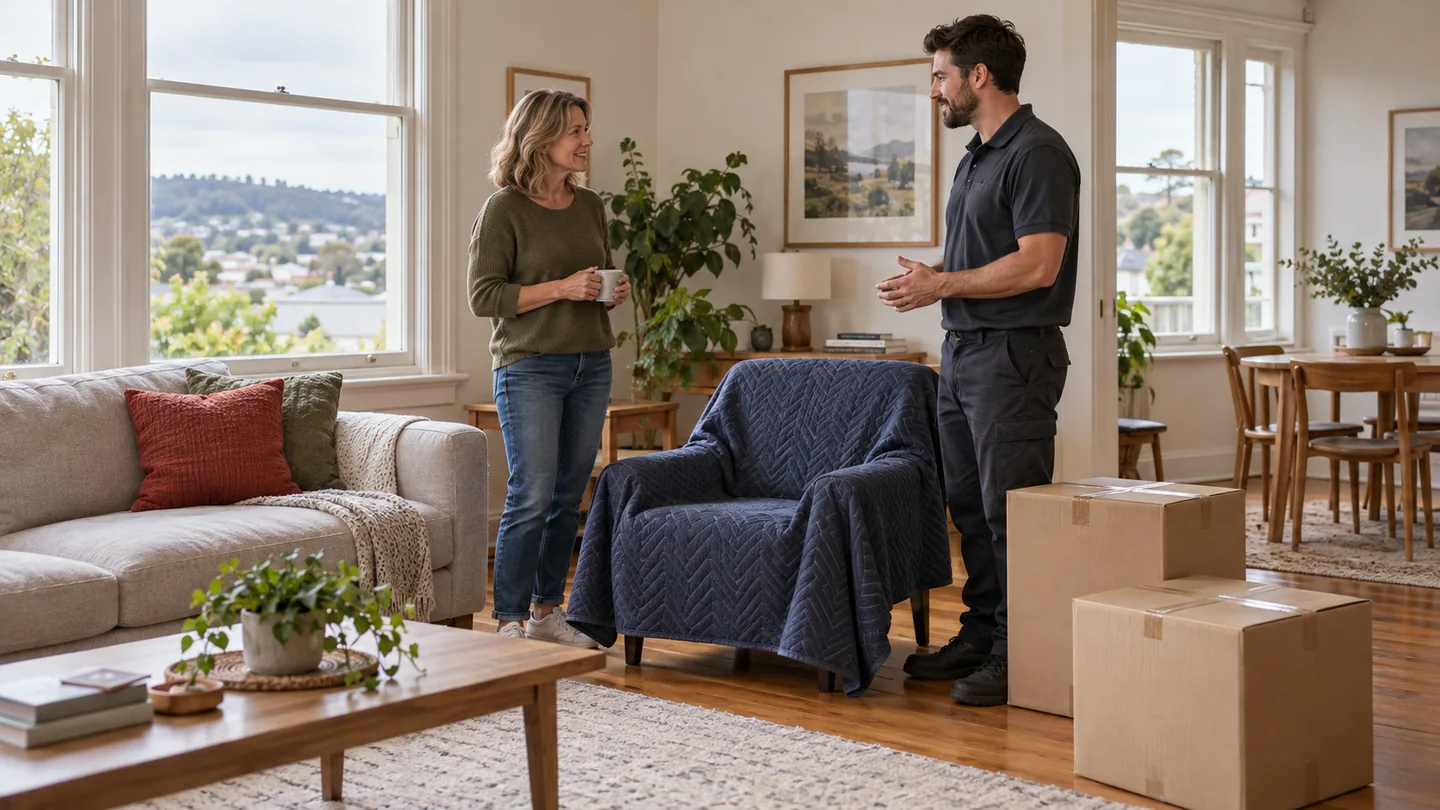
Make room for the sale while keeping your home comfortable
When you are selling a home you still live in, the extra furniture can become a daily juggling act. A spare armchair makes the lounge harder to walk through. Boxes take over the study. The garage fills up with belongings you will need again at the next house.
Furniture storage before selling your Launceston home gives those pieces somewhere to go while the sale moves along. Tas Removals & Storage can discuss collection, packing help, storage and later delivery for the belongings you choose. You can start with selected furniture rather than clearing the whole house.
The useful starting point is a room-by-room conversation with your household and selling agent: what should stay for everyday living and presentation, and what can leave before the photographer arrives? Storage supports that plan. The property styling and sale decisions remain with you and your agent.
Before photographs
Remove the agreed surplus pieces and cartons before cleaning and photography, with time to reset the rooms.
During inspections
Keep the furniture you use each day and a manageable amount of belongings at home while buyers visit.
Between addresses
Discuss continued storage if the sale finishes before your next home is ready for furniture delivery.
For the wider collection and moving service, see Launceston removals and storage. This guide focuses on the earlier step: deciding what leaves before the home is sold.
Choose what to store and what you still need at home
Walk through the house with two short lists. The first is furniture and belongings you can do without for a while. The second is what keeps the household working: beds, comfortable seating, a dining place, school and work equipment, and everyday kitchen items. Let both lists guide the collection.
Common candidates for pre-sale storage include spare bedroom furniture, a second lounge, extra dining chairs, bookcases you can empty, occasional tables and packed collections. Identify each piece separately. “The spare room” is less useful than “one bed frame, one mattress, two bedside tables and six cartons”.
On a smaller screen, swipe across the table to read all three columns.
| Area | Consider storing | Keep available |
|---|---|---|
| Living and dining rooms | Surplus seating, occasional tables and packed display items | The seating and eating space your household uses |
| Spare bedroom or study | Unused bedroom furniture, spare shelving and sorted cartons | Work equipment, school items and anything needed by guests |
| Cupboards and garage | Seasonal belongings and clean, suitable household goods | Cleaning gear, essential tools and items needed before moving out |
Keep daily life working around the sale
Set aside passports, medicines, keys, sale paperwork and personal valuables under your own care. Keep the vacuum and the cleaning kit out too; putting them into storage before the first inspection creates an unnecessary retrieval job.
Separate items you plan to sell, donate or discard from the storage pile. Paying to pack, collect and store furniture you have already decided to part with adds work to the eventual move. If the sale is also a downsizing move, our downsizing and relocation guide can help with the different destinations for your belongings.

Plan collection around photographs, inspections and the move
Give us the photography date and the first inspection date, then the date you would like the selected furniture collected. Leave room in your own schedule to clean, move the remaining pieces into place and deal with anything you discover while clearing cupboards. Collection availability needs to be agreed before you book other work around it.
At this stage, you may know the listing date without knowing the sale date. That is a perfectly useful enquiry. Give an estimated storage period and explain what it depends on, rather than choosing an end date you cannot yet rely on.
If the next address is still undecided
Tell us whether the furniture is likely to return to the current house, go to another Launceston property or form part of a move elsewhere. You can discuss storage before the final delivery address is known. Once the address is available, the delivery access, timing and price can be worked through with the team.
If move-out and move-in dates do not line up, use our move and store service guide to connect the remaining household move with the goods already stored. Identify any separate collection stages so the quote reflects both visits.
Keep the sale dates and the delivery booking connected
Ask your solicitor or conveyancer to explain the dates and obligations that apply to your sale. Share the relevant confirmed dates with the removalist, and update the team when they change. Consumer Affairs Tasmania provides official advice when buying or selling property, including using a solicitor or conveyancer.
Storage can bridge a gap between homes, but it does not decide when you must hand over the property. Plan furniture removal against the dates confirmed for your own sale.
Get the selected furniture ready for collection
Send photos of the pieces going into storage and the route out of the house. Mention stairs, tight doorways, a steep driveway, shared parking or a long walk between the home and the truck. Whether you are in Newstead, Riverside or elsewhere around Launceston, the actual access matters more than the suburb name.
Say who will pack the cartons and whether you need help protecting fragile furniture. Empty and clean the items as appropriate, let them dry, and keep dismantled parts together in identified bags. Follow the maker's instructions for appliances and furniture with special finishes. Our packing for furniture storage guide explains preparation in more detail.
On collection day, make the difference between “staying” and “going” obvious. A simple item list and a walk-through help when similar chairs or bedside tables have different destinations. Record existing marks and take clear item photos before the goods are packed.
Would a container at home suit the property?
If you would prefer to load over an agreed period, ask about container storage delivery and collection in Launceston. Supply driveway and placement photos first. The vehicle, container and working space need to suit the property; a container should not be assumed to fit because there is a parking space.
Discuss any effect on driveway use, visitor parking and inspection access with the people involved. Alternatively, ask about furniture collection without a container being placed at your home. Our comparison of self-storage and managed furniture storage helps you decide which handling and access tasks you want help with.
Allow for retrieval, a longer sale and changed plans
You might need a desk back before the sale finishes, or decide that a piece of furniture should return for the next round of inspections. Mention likely early retrievals before loading. Ask how the item will be identified, how much notice is required and whether retrieval or a separate delivery has a charge.
The Launceston storage access and redelivery guide covers appointments, collection authority and return details. Check the process for your booking rather than relying on office opening hours as storage visiting hours.
If the home takes longer to sell, get in touch before the agreed storage period ends. Ask how extra time is billed, how much notice is needed and whether the return delivery booking also changes. Our guide to extending furniture storage is useful when the finish date moves.
Check cover before the goods leave home
Ask your insurer whether the proposed collection, off-site storage and return journey are covered, and what limits or conditions apply. Separately, ask Tas Removals & Storage to explain any cover offered with the booking. ASIC Moneysmart's contents insurance guide explains checking exclusions, limits and the product disclosure statement.
Keep the inventory and item photos somewhere you can reach while the goods are stored. These records also help you find the right carton or identify furniture when arranging delivery.
Ask for a quote that covers the whole storage plan
A weekly storage figure is only one part of the job. Collection, packing materials, loading or handling, access requests and final delivery can affect the total. Use our Tasmania furniture storage costs checklist to compare the work included, and the Launceston storage size guide to prepare your item list without guessing the space from bedroom count alone.
For a useful pre-sale storage quote, send:
- The collection address, access photos and the furniture and carton list.
- The photography or inspection deadline and your preferred collection date.
- What stays at home, and any packing or furniture-handling help you need.
- The estimated storage duration and what could change it.
- Any items you may need back early, and the likely final destination if known.
Ask how extensions, partial retrieval, cancellation and return delivery are handled in the written quote. The ACCC's consumer guidance on service contracts explains why the terms should be understood before accepting a booking.
A straightforward way to describe it
“We are selling our Launceston home and still living there. Before photographs, we want the spare bed, two chairs and eight cartons collected. We expect to store them for a few months, but the next address is not confirmed. Please include packing help for the bed and explain the later delivery costs.”
This is an example enquiry, not a customer story or a fixed package.
If your main reason for clearing the house is an extended trip or a work placement, use our Launceston furniture storage guide for travelling or working away for remote contacts and return planning.
Questions about storage before selling your home
Can I store just a few pieces before putting my home on the market?
Yes, you can enquire about selected furniture and cartons rather than the whole household. Identify the spare chairs, bedroom pieces or other goods you want collected, and what must remain at home. The team can discuss handling, storage and later delivery for that load.
When should I arrange collection before sale photographs?
Give the team the photography and first inspection dates and request a collection date that leaves you time to clean and reset the rooms. Collection availability must be agreed before you plan other appointments around it.
Can I keep living in the home while some furniture is stored?
Plan the collection around the beds, seating, dining space and work or school items you still use. Walk through the keep and store lists before collection. Your household and selling agent can decide what should remain for comfort and presentation.
Do I need my next address before asking about storage?
You can discuss storage while the next address is undecided. Give the expected duration and likely destination if known. Once the address is available, provide the access details so delivery timing and costs can be confirmed.
What if the sale or settlement date changes?
Contact the team as soon as a change is known. Ask about extending the storage period or changing collection and delivery bookings, including notice and charges. Your solicitor or conveyancer should explain the sale dates and obligations applying to your property.
Can I get one stored item back during the sale?
Ask about partial retrieval before the goods are loaded, identifying the furniture or carton you may need. Confirm the access process, notice, handling and any collection or delivery charge for your booking. Do not assume unrestricted visits are included.
Can the stored furniture be delivered to my new home later?
Discuss the destination, preferred dates and whether all goods or selected items should be delivered. Provide the new property access details when known. Final delivery availability, handling and price need agreement for the actual address and route.
How much does furniture storage before a home sale cost?
The quote depends on the load, collection access, packing and handling, storage duration and final delivery. Include the photography deadline and any early retrievals. Ask for the storage charge and the other stages to be explained together, including extra time if the sale takes longer.
Make a practical plan before the first photographs
Tell us what can leave the house, what needs to stay and when the rooms should be ready. Tas Removals & Storage can discuss the collection, storage period and later delivery with you.
Prefer email? Send your item list and photographs to info@tasfurnituretransport.com.au.
Useful services and moving guides
Launceston furniture storage
Explore the broader storage service and prepare your enquiry.
Move and store services
Connect the stored furniture with your later household move.
Storage while travelling or working away
Plan contacts, access and delivery during time away.
Prepared for Tas Removals & Storage, 14 October 2026. Official resources linked in this guide were checked during preparation.